


Longevity Changes Everything
Longer lives require more intentional planning around health, finances, community, and place.
For most of human history, long-term planning simply wasn’t necessary. Life itself was too uncertain and too short. In the seventeenth century, Thomas Hobbes famously described the human condition as one where life was “solitary, poor, nasty, brutish, and short.” While Hobbes was making a political argument, the phrase also captures an important demographic reality of earlier eras. For thousands of years, average life expectancy hovered around 30 to 40 years. That doesn’t mean people routinely died at 30—many lived longer—but high infant mortality, infectious disease, poor sanitation, and limited medical knowledge pulled the average down dramatically. Simply surviving childhood was an achievement. The idea that millions of people would live into their 80s, 90s, or even 100 would have seemed extraordinary. Only over the last century or so has longevity expanded dramatically, thanks largely to advances in public health: clean water, sanitation systems, vaccines, antibiotics, improved nutrition, and safer working conditions. Modern medicine certainly plays a role, but many of the biggest gains came from these foundational improvements that reshaped daily life.
.jpg)
But with longevity comes responsibility—especially if the goal is not simply to live longer, but to thrive. When life extends across eight, nine, or even ten decades, the consequences of our decisions compound over time. Health habits formed in midlife influence mobility and independence decades later. Financial decisions made in our working years shape the possibilities and context of retirement and beyond. The prospect of living to 100 or more fundamentally changes the planning horizon. It is no longer sufficient to think in five- or ten-year increments. Instead, we have to think across a lifespan that may stretch far longer than previous generations ever imagined. Longevity creates opportunity, but it also asks more of us: more foresight, more intentionality, and more awareness of the long arc of our choices.

In response, many people turn to experts. Financial planners help individuals prepare for retirement and manage assets over longer timeframes. Physicians, trainers, nutritionists, and other specialists guide decisions about exercise, diet, and preventive care. These professionals provide valuable expertise, and their role will likely grow as longevity expands. Yet even within these fields, the conversation often happens in silos. Financial planning focuses on portfolios and savings rates. Health guidance centers on biomarkers, steps, and calories. Each perspective is important, but thriving over a long life requires something broader. Longevity is not just a financial problem or a medical challenge; it is a life design question that cuts across many domains.
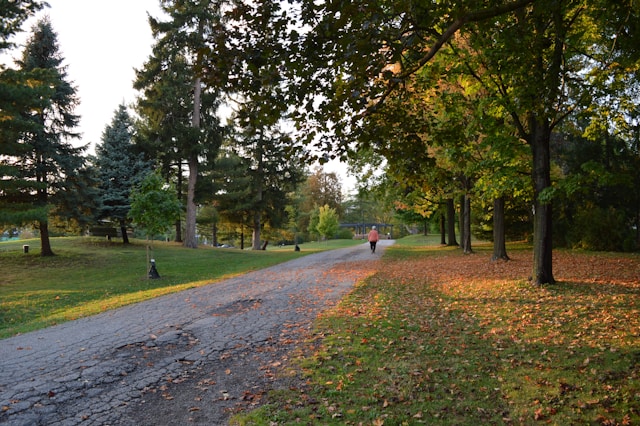
One of the most overlooked of these domains is place. Where we live—and how we engage with that place—has an enormous influence on healthy longevity. Pay attention to the Four Quadrants of Place: environment, health, community, and finances. The environment includes factors such as climate, walkability, access to nature, and the built environment around us. Health concerns proximity to medical care and the systems that support physical and mental well-being. Community encompasses the relationships, friendships, and social networks that sustain us over time. Finances reflect the cost of living and the economic sustainability of remaining in a particular place. When these four dimensions align well, place becomes a powerful asset for longevity. When they do not, the mismatch can quietly erode well-being over time.
Looking ahead, the contrast with earlier eras may grow even sharper. Advances in biotechnology, personalized medicine, wearable devices, and continuous health monitoring are already reshaping how we understand aging. Treatments that target the biology of aging itself are beginning to move from the laboratory toward real-world application. It is increasingly plausible that many people alive today will routinely live well into their 90s—and perhaps beyond 100. From the vantage point of Hobbes’s world, such a lifespan would seem almost unimaginable. But longevity alone does not guarantee flourishing. Without thoughtful planning, extended years can still feel uncertain, isolating, or difficult. The good news is that we have far more agency than previous generations ever did. By planning intentionally—financially, physically, socially, and geographically—we can shape the conditions that allow longer lives to become better lives. Longevity changes everything. The question now is how thoughtfully we respond to it.