


Is Your Place Riskier Than You Think?
Even the safest places carry hidden risks—are you seeing yours clearly?
On February 27, it was a beautiful day in Dubai. Clear skies. Highs in the low 80s. The kind of day that reinforces the narrative—Dubai as a global oasis: safe, modern, seamlessly connected to the world.
February 28 looked much the same.
But something had changed.
The war with Iran began.
The risk had been there all along, quietly embedded in the region’s geopolitics. It didn’t arrive overnight. It simply revealed itself. What was invisible on the 27th became undeniable on the 28th. And now, as missiles, drones, and uncertainty ripple through the region, there is a real possibility that Dubai—at least as it has been known—may never be the same.
What’s striking is not just the conflict itself, but how quickly the narrative of safety can be tested. Dubai has long been built, in part, on perception: a global hub of luxury, stability, and opportunity. And yet, as recent reporting shows, even as missiles were intercepted overhead and debris struck parts of the city, the message remained that “daily life…continues as normal” . Flights were temporarily suspended. Tourism bookings dropped. And still, the effort to preserve the image of safety intensified—through messaging, marketing, and even restrictions on what could be shared publicly.
This tension reveals something deeper. Safety is not always the same as security.
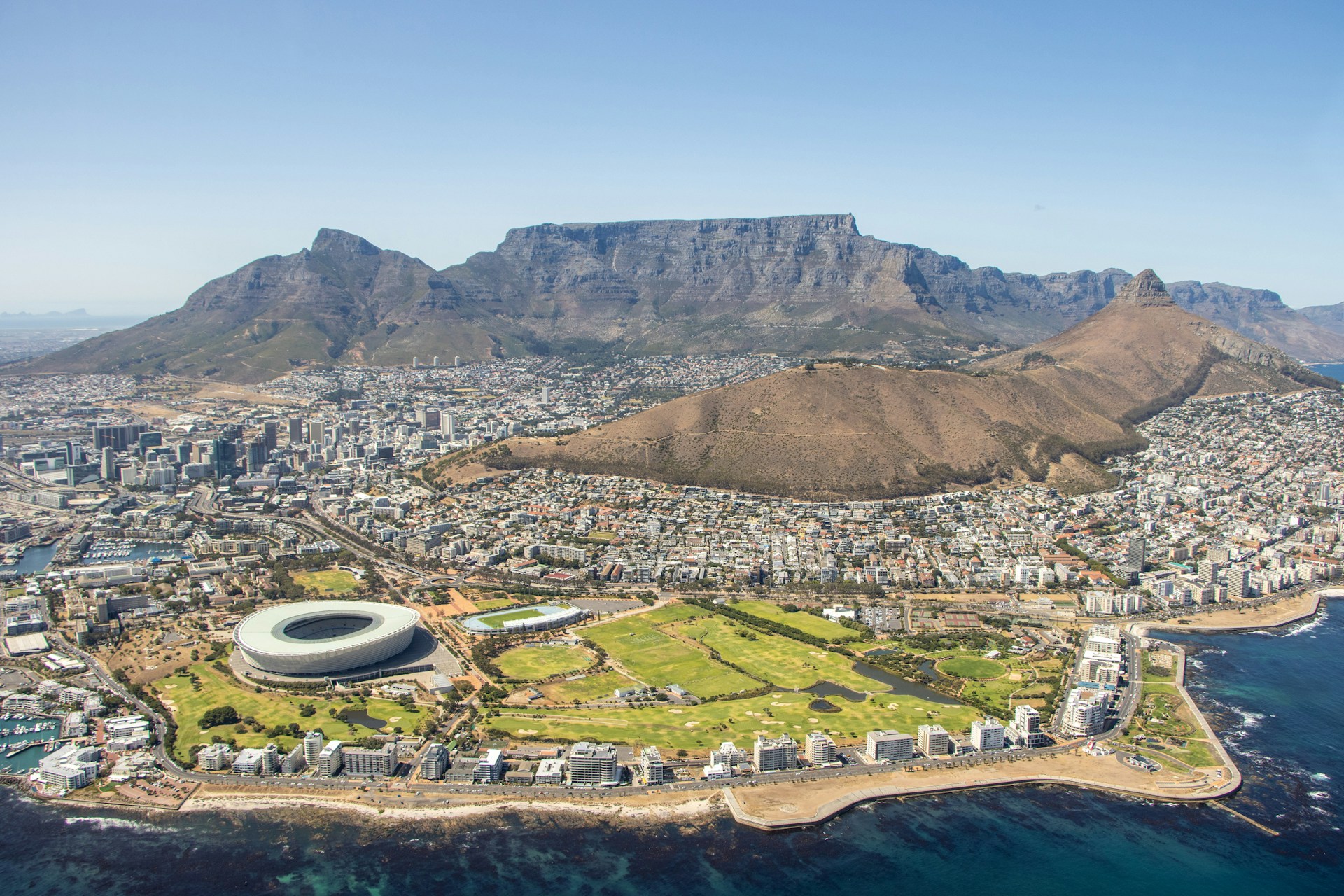
Safety vs. Security
Economist Tyler Cowen makes this distinction clearly. A place like Dubai can feel extraordinarily safe on a day-to-day basis—low crime, high order, remarkable infrastructure. But its long-term security depends on systems that are, in many ways, external: global trade flows, geopolitical stability, and the implicit protection of larger powers. It is, in his framing, a kind of “artificial” safety—real, but contingent.
By contrast, a place like Cape Town—despite very real and serious crime challenges—may possess a different kind of resilience. It is rooted in a larger, resource-rich nation, geographically distant from many global flashpoints, and capable of sustaining itself in ways that a highly globalized city-state might not. In Cowen’s view, the question isn’t which place feels safer today, but which place is more likely to endure over the long run.
That shift—from visible safety to underlying security—is where the conversation becomes more relevant for all of us.
Because risk is not just about war and conflict.
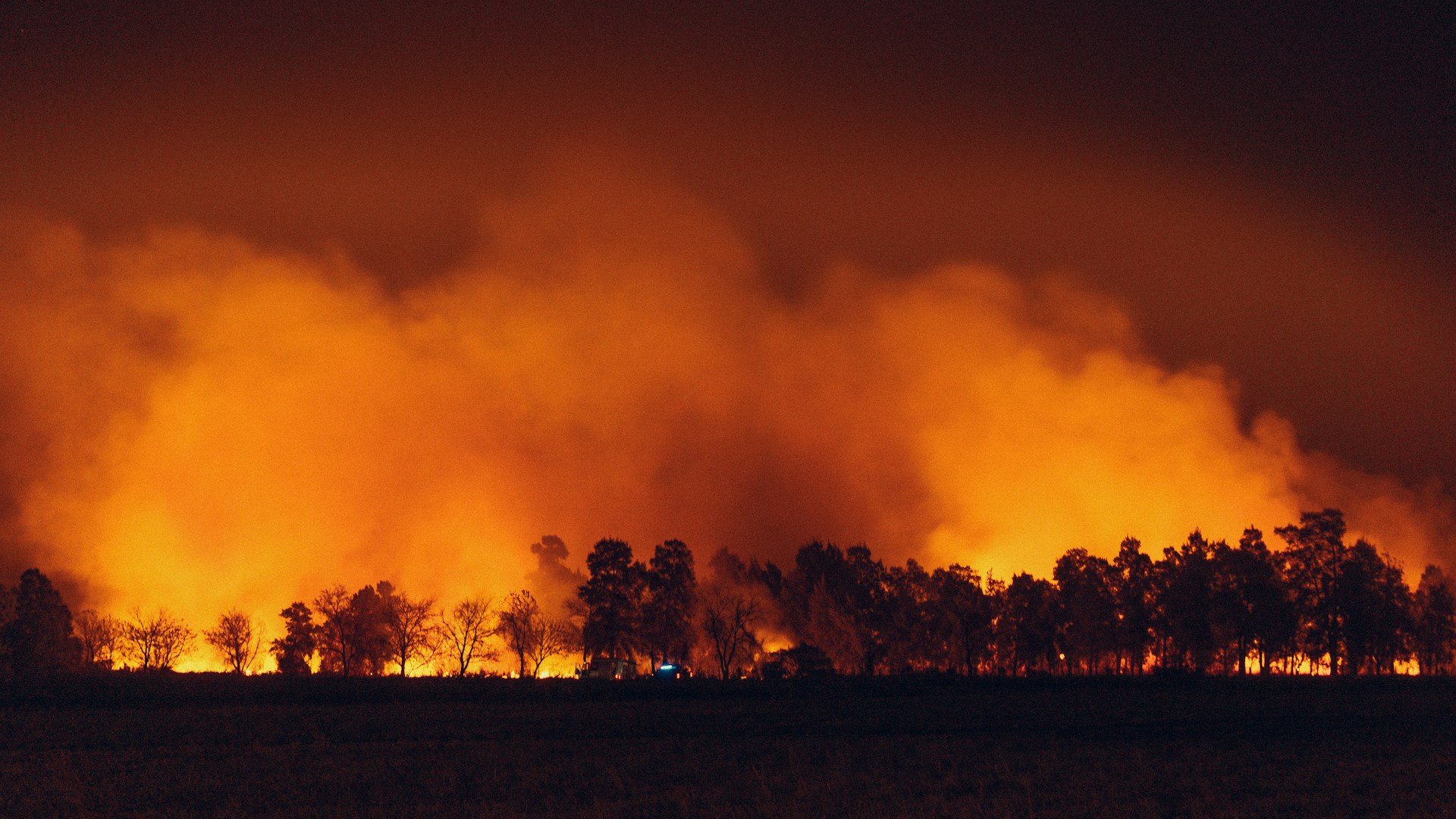
Understand the Range of Risks of Your Place
Risk can take many forms. It can be climate-related—wildfires, flooding, extreme heat. It can be economic—job loss, inflation, shifts in housing markets. It can be political or cultural, as policies and communities evolve. In every case, the key insight is the same: risk exists whether or not it materializes. The absence of disruption does not mean the absence of vulnerability.
The first step, then, is simply seeing it.
And that lens applies not just at the global level, but much closer to home.
What is the risk that your HVAC system fails in the middle of summer? That your roof needs replacement sooner than expected? What is the risk that the neighbor or friend who anchors your daily life moves away? If you are thinking about later stages of life, what is the risk that stairs become harder to navigate, or that your bathroom presents a fall hazard?
These are not dramatic risks. They don’t make headlines. But they shape daily life in profound ways.
And importantly, they are often more predictable—and more actionable—than geopolitical events.
Of course, we can rarely eliminate risk entirely.
A coastal homeowner may elevate a property, but cannot control rising seas. A family may move to a “safer” neighborhood, only to find that social dynamics shift. A retiree may choose a community designed for aging well, but still face unexpected health challenges. The goal is not to find a place without risk—that place does not exist—but to understand the types of risk you are choosing to live with.
Because places change.
A neighborhood that once felt vibrant can grow quiet. A city that felt affordable can become out of reach. A region that seemed stable can face new pressures—environmental, economic, or political. The risk profile of a place is never static.
And neither are we.

Does the Risk of Your Place Match Your Risk Tolerance?
Our tolerance for risk evolves over time. When we are younger, mobility can feel like freedom. If something changes, we can adapt—move cities, switch jobs, rebuild networks. But later in life, the same disruptions can feel far more consequential. The margin for error narrows. Stability becomes more valuable. What once felt like an acceptable risk may no longer be.
This is where place planning becomes less about prediction and more about alignment.
It’s about asking: What risks am I living with today? Which of those am I comfortable with? And how might that change in the years ahead?
Dubai may ultimately prove resilient. It may weather this moment and continue to thrive as a global hub. In many ways, it may even feel “too big to fail.”
But that’s precisely the point.
Even the most polished, well-resourced, and seemingly stable places carry underlying risks. Sometimes those risks remain dormant. Sometimes they materialize suddenly.
The real question is not whether risk exists where you live.
It’s whether you see it clearly—and whether you’ve chosen your place with that understanding in mind.