


I Wish I Had Known
Life would be easier if we knew a little more about what was coming next.
A friend recently had a baby. As any new parent will tell you, no amount of preparation makes the first year easy. But she has had one advantage that previous generations often didn’t: access to people and sophisticated online resources that can help her anticipate what is coming. Friends who have already been through it can tell her what mattered, what didn’t, and what they wish they had known. The experience is still hard, but she feels more confident because fewer things come as a complete surprise.
That strikes me as an increasingly important life skill.
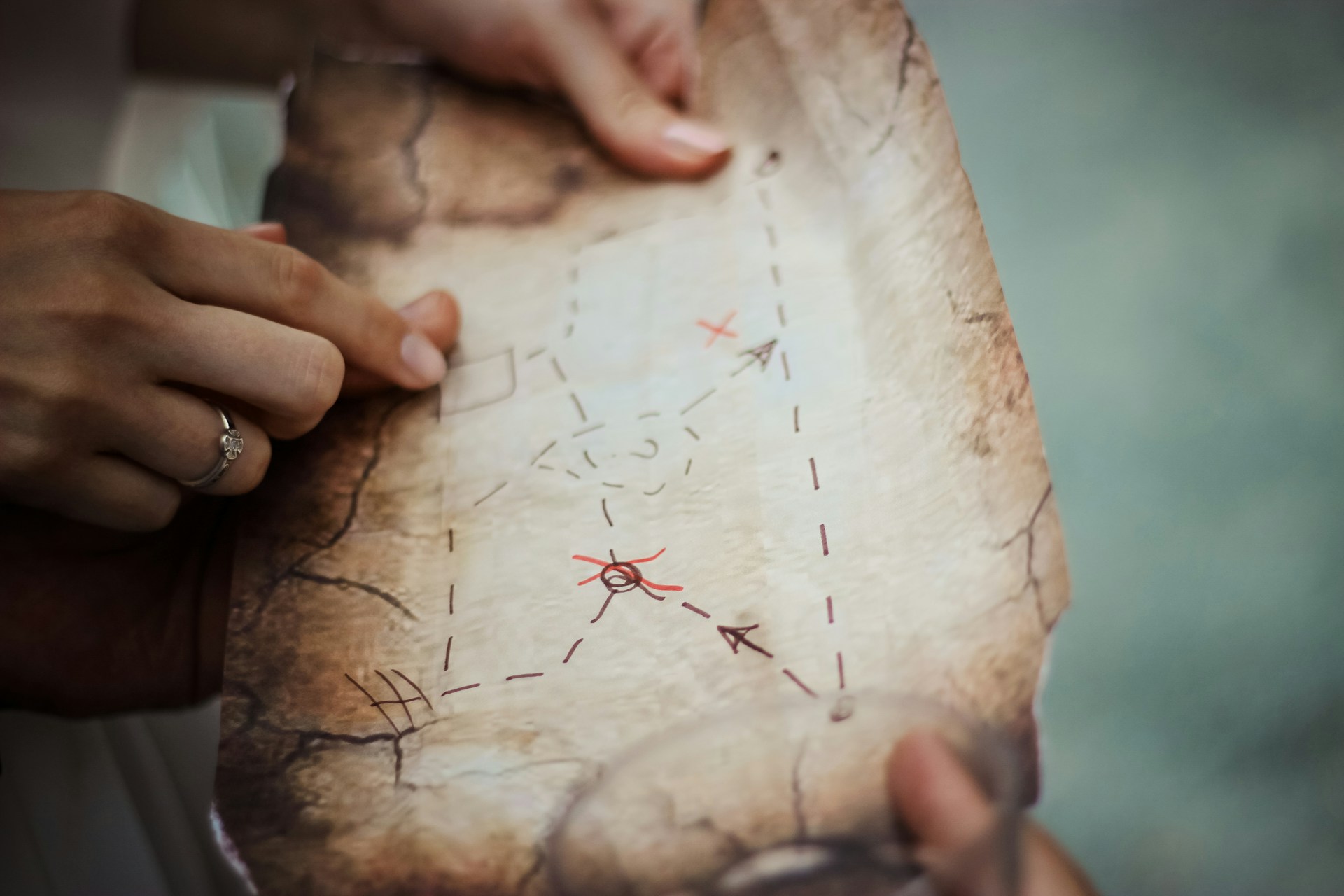
A Need for Life Guides
Transitions have always been part of life. But in a world changing quickly—and in which many of us may live much longer lives—we should expect more of them. The Stanford Center on Longevity talks about the implications of the “100 year life” and the need to rethink the traditional life course. A longer life is not simply more years added to the end. It can mean more chapters: more career changes, moves, caregiving, reinvention, and periods when the life we knew gives way to something different.
Part of thriving through those transitions is having some sense of what life might look like on the other side. We can’t eliminate uncertainty. But we may be able to reduce the number of times we look back and say, “I wish I had known.”
This may be particularly important in the second half of life. We devote enormous energy to preparing for the first half. There are schools for education, career counselors for work, books for marriage and parenting, and plenty of peers traveling roughly the same path. Later life is less scripted.
Below are some themes that I have observed through working through dozens of people on Place Planning:

I wish I had known: Making friends is a lifelong sport.
Friendship can feel almost automatic when we are younger. School, work, children, and activities repeatedly put us in the same room with the same people. But those structures change. Friends move. Careers end. Children leave home. Maintaining friendships takes more intention, and making new ones can be surprisingly difficult.
Yet relationships become no less important. The Harvard Study of Adult Development, one of the longest-running studies of adult life, has repeatedly found a strong connection between the quality of our relationships and our long-term health and well-being. Friendship is not simply a nice addition to a good life. It is part of the infrastructure of one.
Knowing that earlier might change how seriously we invest in relationships before we urgently need them.
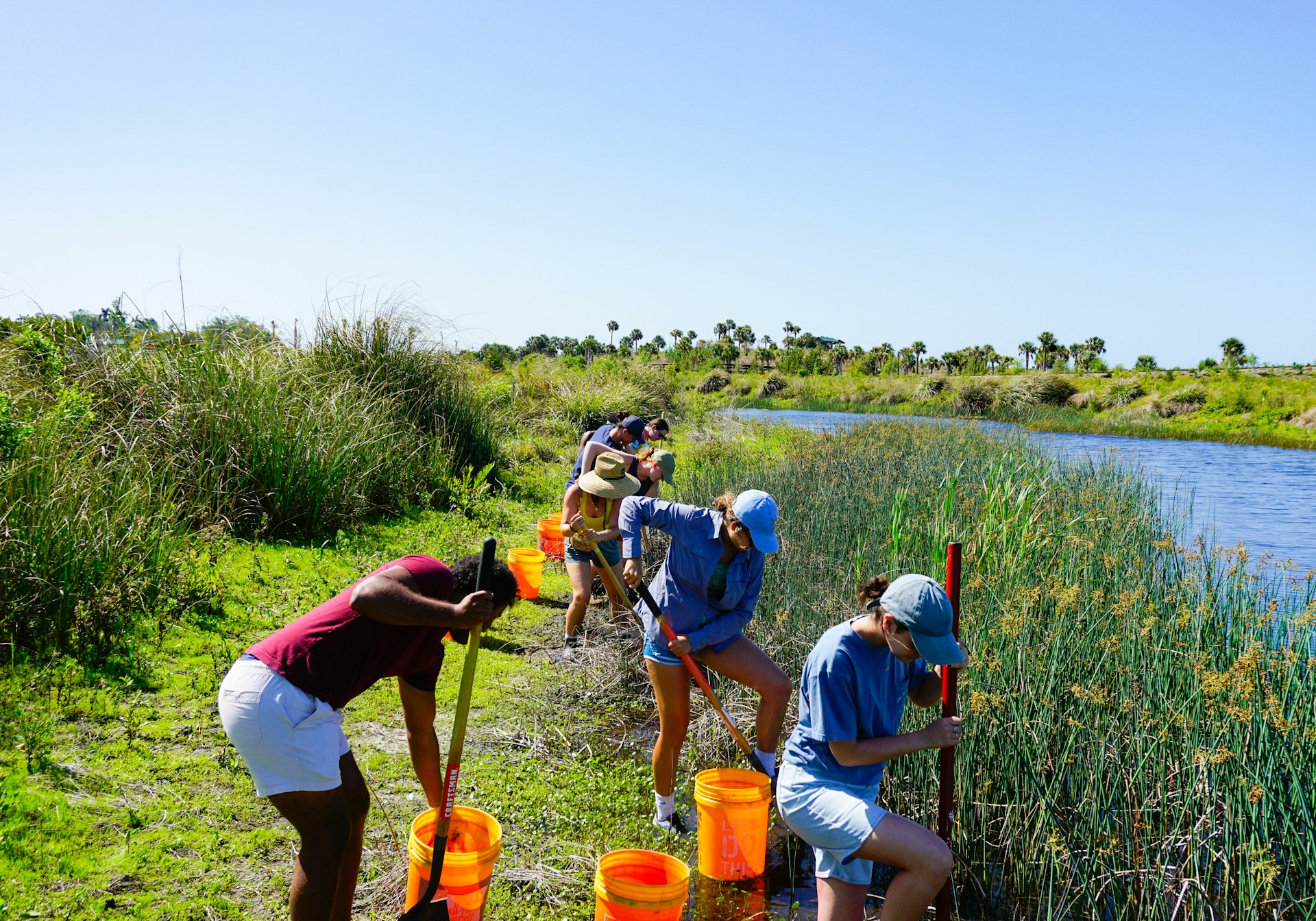
I wish I had known: Purpose matters at every stage of life.
For decades, purpose may arrive bundled with our roles. We are raising children, building careers, caring for parents, or working toward the next milestone. Then some of those roles disappear or shrink. Retirement, an empty nest, or another major transition can leave a surprising question behind: What needs me now?
Purpose doesn’t require a grand mission. It can come through work, volunteering, mentoring, faith, creativity, family, or service. Research on older adults has linked a stronger sense of purpose with better health and well-being outcomes. The common thread is having something that draws us beyond ourselves—a reason to get up and engage with the day.
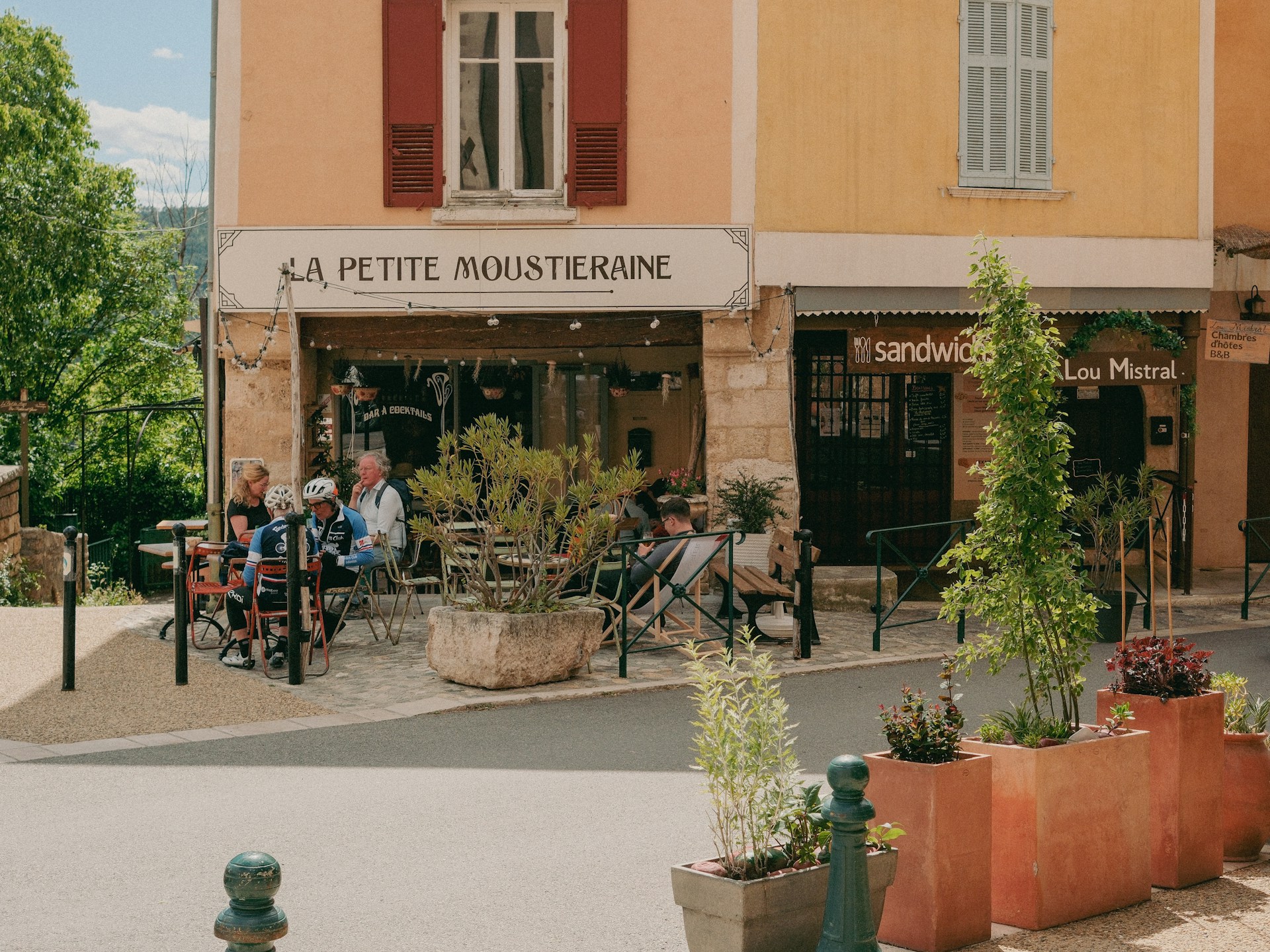
I wish I had known: Place matters at every stage of life.
Place is the soil in which life grows—or doesn’t. Where we live shapes who we see, how we move, what we spend, the care we can access, and how easily we participate in the things that give us meaning.
Too often, we consider place only after a transition forces the question: after retirement, a health event, the loss of a spouse, or a desire to be closer to family. By then, our choices may be narrower.
Understanding the trade-offs beforehand gives us agency. What kind of community will support the friendships we want? What environment makes healthy behaviors easier? Does our home fit the way we hope to live ten years from now? Can we afford the place that supports that life?
My friend will still encounter plenty of surprises as a parent. Advice can prepare her for some things, not everything. That is true for all of us.
The goal of planning is not to predict life perfectly. It is to enter the next chapter with our eyes a little wider open. Life will always surprise us. But if we can learn from those who have gone before us, ask better questions, and think ahead about the decisions that matter most, perhaps we can make more of those surprises good ones—and say “I wish I had known” a little less often.