


Follow the Flow
Where people are moving isn’t just a trend—it’s a signal of where opportunity, resilience, and your future are most likely to take shape.
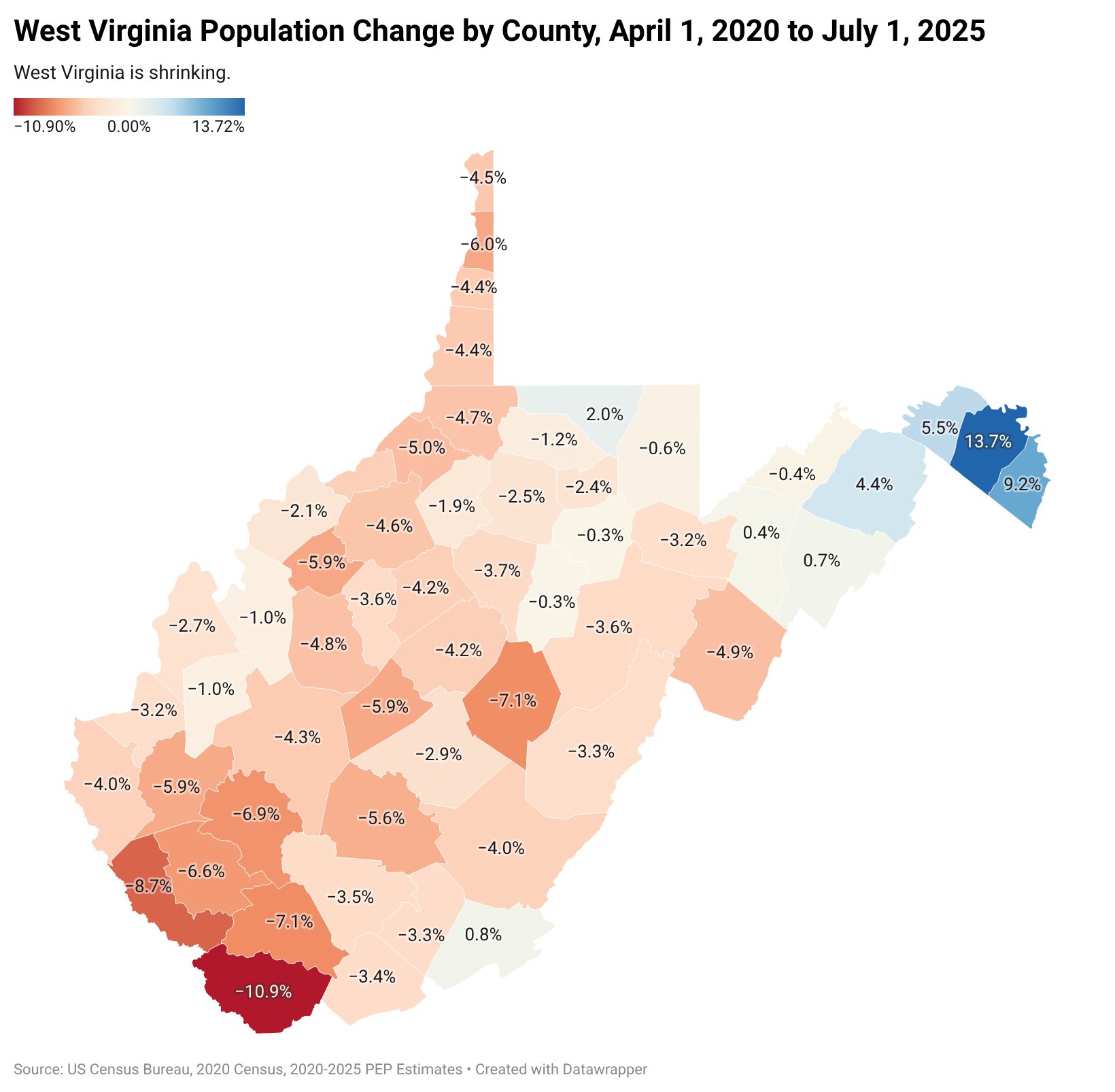
There’s a quiet but powerful story unfolding across the map of West Virginia. County by county, the colors tilt toward decline—some modest, some severe. Over just a few years, much of the state has lost population, with only a narrow band near the orbit of Washington, D.C. showing signs of growth. It raises a simple but important question: what does West Virginia look like 10 or 20 years from now? Fewer people often means fewer services, fewer employers, and fewer opportunities. And once a place begins to shrink, the forces reinforcing that decline can be hard to reverse. What we’re seeing isn’t just a snapshot—it’s a trajectory.
But West Virginia is not an outlier. It’s a signal. Across the United States, population is redistributing in ways that are both predictable and consequential. Since 2010, growth has concentrated in the South and West—places like Texas and Florida—while parts of the Midwest and Northeast have experienced stagnation or decline. The pattern extends globally. Countries like Italy and Japan are facing sustained population contraction, while parts of Eastern Europe have seen dramatic losses due to both low birth rates and outward migration. The takeaway is not just that people are moving—it’s that they are concentrating. And concentration changes everything.
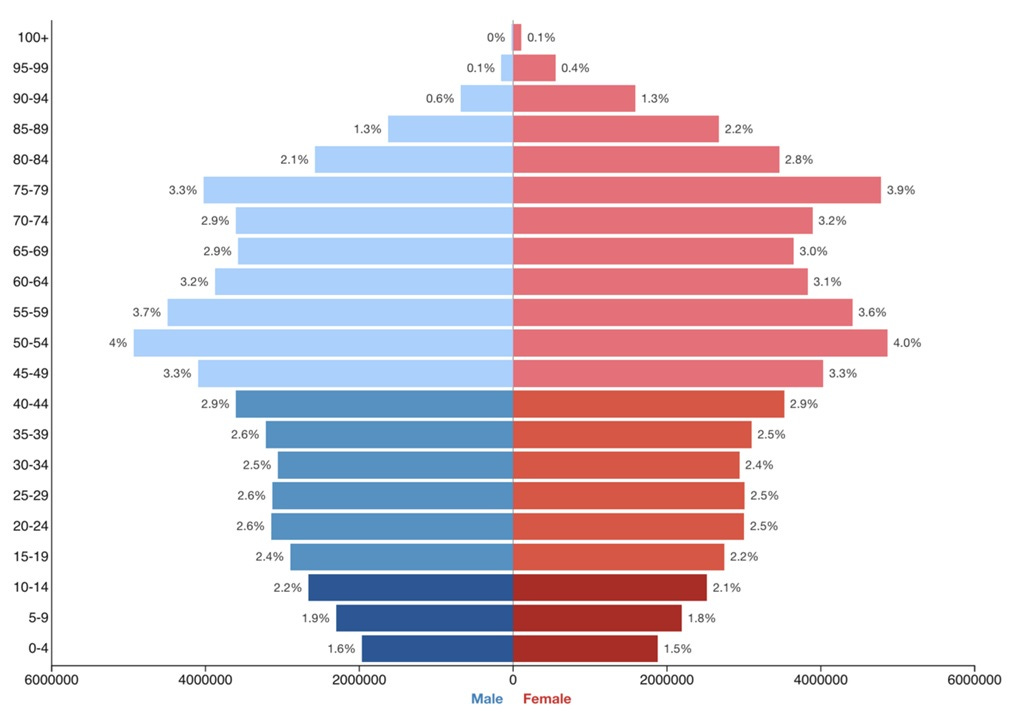
Even then, population size alone doesn’t tell the full story. The composition of that population matters just as much, if not more. Japan offers a powerful case study. Its total population is declining, but more importantly, it is aging rapidly. Fewer young people and more older adults reshape the economy, the labor force, and the social fabric. Schools close while healthcare systems expand. Innovation can slow while demand for support services rises. And what is true at the national level becomes even more pronounced locally. Within countries, certain regions grow younger and more dynamic, while others become older and more fragile. The map fragments into very different futures depending on where you are.
So why does this matter for Place Planning? Because your future is not independent of your place—it is deeply intertwined with it. If your community is losing people, especially working-age individuals, the ripple effects show up quickly. Job opportunities may shrink. Businesses may close. Public services—from schools to infrastructure—face increasing strain as the tax base erodes. At the same time, housing can become less liquid. You may find yourself in a place where it’s harder to sell, harder to move, and harder to adapt. These are not abstract risks; they are lived realities for many.
On the other hand, places that are growing—especially those attracting younger populations—benefit from powerful network effects. Talent attracts talent. Opportunity compounds. A sense of momentum takes hold. Consider metros like Austin, Texas or Phoenix, Arizona, which have added substantial population over the past decade. These aren’t just numbers on a chart; they represent ecosystems that are expanding—more jobs, more innovation, more cultural energy. And importantly, more optionality for the individuals who live there.
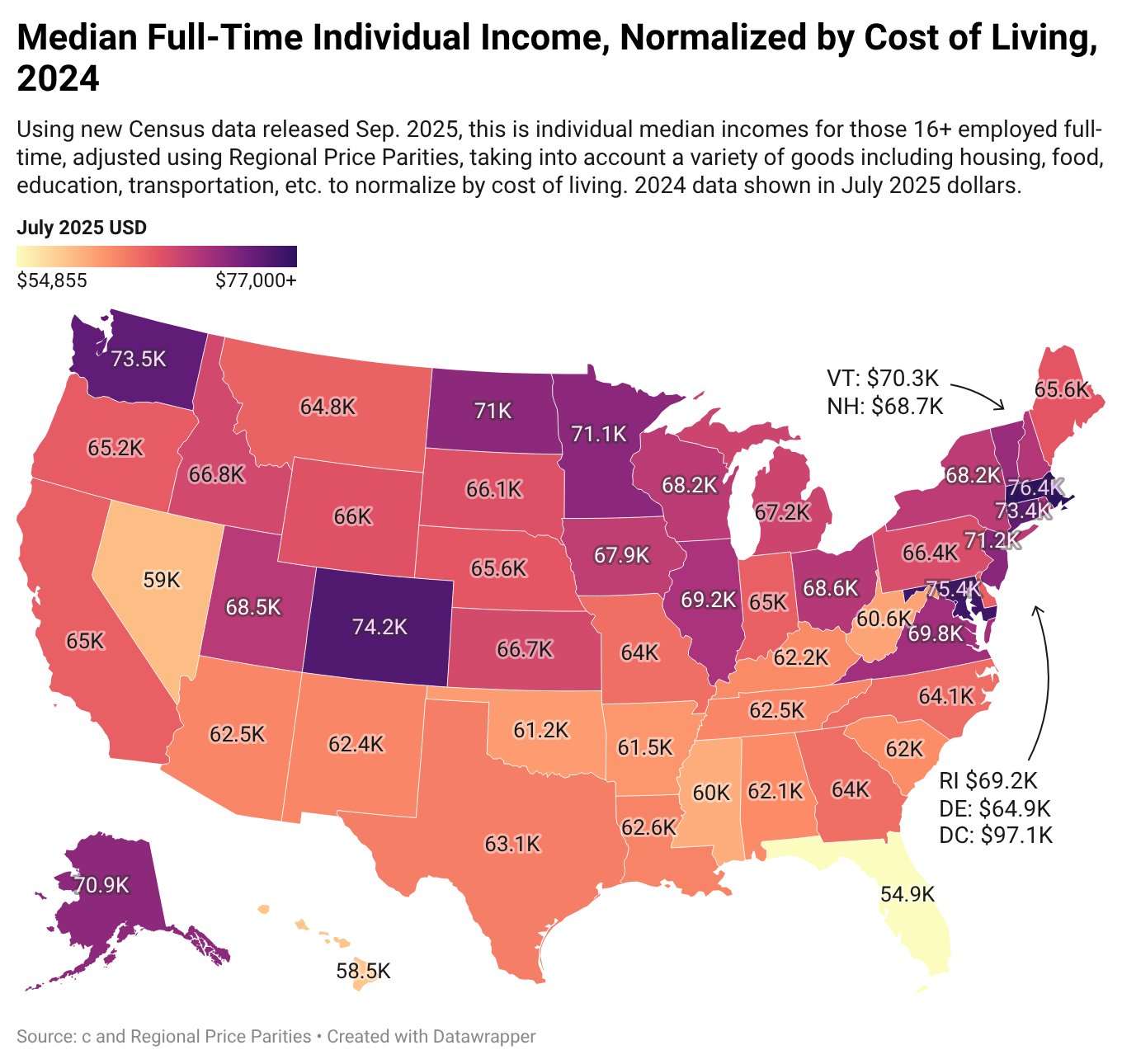
But the story becomes clearer—and more complex—when you account for cost of living. Some places that appear expensive at first glance actually offer strong effective earning power. Others that seem affordable may not deliver the same economic leverage. In other words, it’s not just about where people are going—it’s about where opportunity, adjusted for reality, is concentrating. And often, the places with the strongest long-term momentum are those where both population and economic viability are aligned.
All of this leads to a practical takeaway: pay attention to where people are moving—especially younger people. They are often the leading indicator. They follow opportunity, and in doing so, they help create it. There’s a feedback loop at play: growth begets growth. That doesn’t mean you should automatically chase the fastest-growing “boomtown.” In fact, some of the most explosive growth markets come with volatility, rising costs, and growing pains.
Instead, think in terms of direction and durability. Is a place gaining or losing energy? Are people choosing to be there—or leaving if they can? Is the growth broad-based, or narrow and fragile? Sometimes a place with steady, moderate growth offers a more sustainable path than one experiencing a sudden surge.
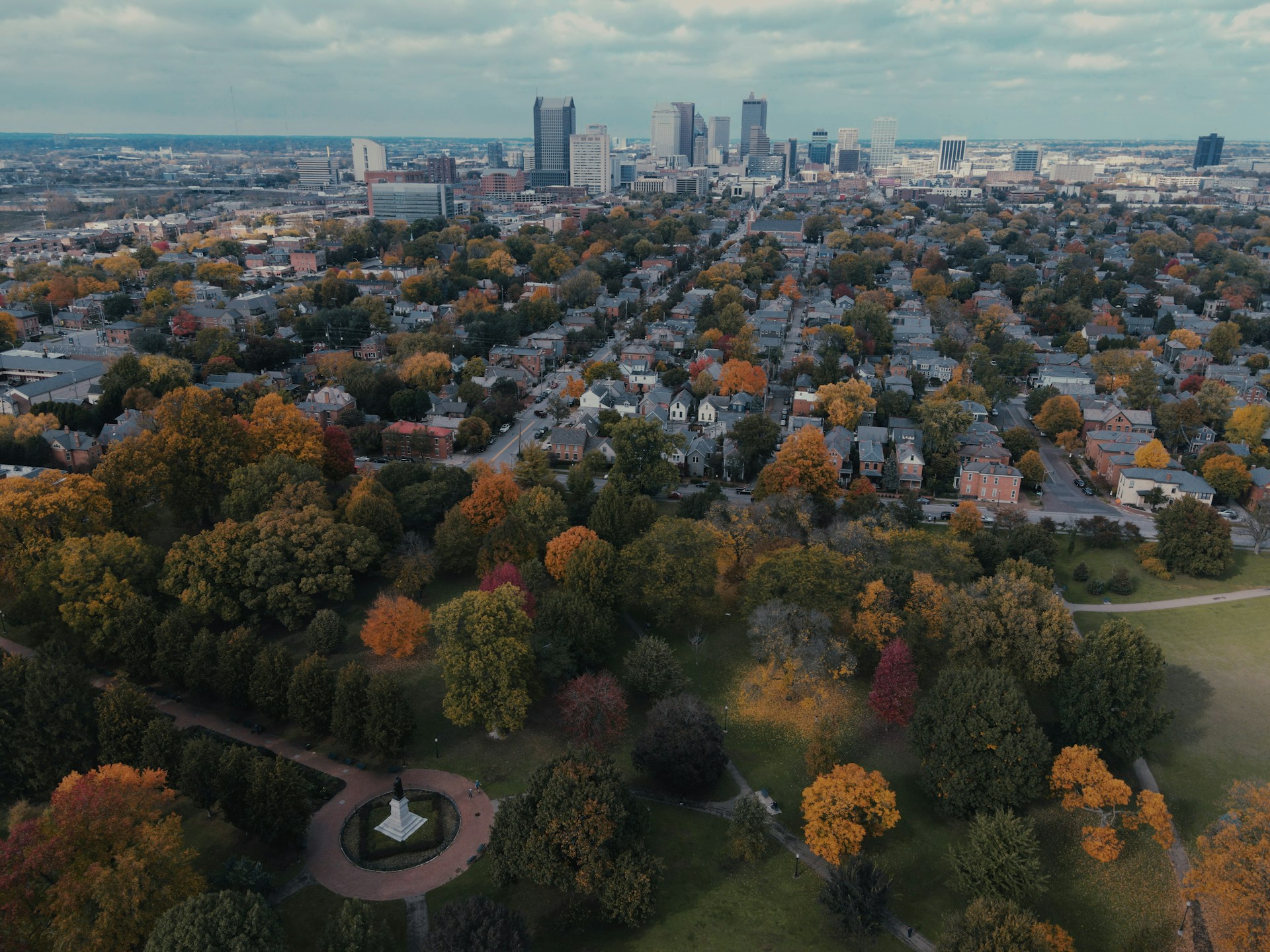
West Virginia, in this sense, becomes more than a case study—it becomes a metaphor. It reminds us that place is not static. It evolves, sometimes slowly, sometimes quickly, but always meaningfully. And if we ignore those shifts, we risk being shaped by them rather than shaping our own path.
Place Planning, at its core, is about being intentional in the face of these dynamics. It’s about recognizing that where people are moving is not just an interesting trend—it’s a signal about where the future may be unfolding. And the more closely you pay attention, the better positioned you are to align your life with that future.