


Design Your Place for the Life You Want
Are we creatures of habit or creatures of our habitat?
Are we creatures of habit or creatures of our habitat?
We tend to think of place as something we shape. We choose a home, furnish it, arrange the rooms, pick a neighborhood, and make it ours. But the relationship works in the other direction, too. Where we live (and how that place is designed) shapes what we do, whom we see, how much we move, what we spend, and even how we feel.
In many ways, place shapes us more than we realize.
That means choosing and designing our place deserves more attention than it typically receives. Rather than asking only, “Where do I want to live?” we might ask a better question: “What kind of life do I want to live and what place makes that life easier?”

Start with the macro.
Think about the metropolitan area, region, or even country where you live. Weather matters, of course, but it is only one variable. I like to think about place through four dimensions: environment, health, community, and finances. Your macro place has implications for all four.
If financial security is a priority, living in a high-cost area may create persistent pressure, even if you love many things about it. If health is a priority, access to good medical care, walkability, recreation, and healthy food may matter more. If being outdoors gives you energy, the surrounding environment matters enormously.
Community deserves particular attention. Certain places are simply more likely to contain “your people”, those who share your interests, values, stage of life, profession, faith, hobbies, or outlook. A university town feels different from a retirement community. A dense urban neighborhood creates different opportunities for connection than a rural setting. Some places make it easier to find runners, artists, entrepreneurs, young families, pickleball players, volunteers, or people who want to gather around a dinner table.
But living near your people is only the beginning.

Relationships deepen through repeated contact. That means designing not only where you live, but also how you live there. You need enough room in your calendar to see people regularly. You need routines that put you in the same coffee shop, walking group, church, gym, park, or neighborhood gathering often enough for acquaintances to become friends. And your home itself can either encourage connection or discourage it. Is there somewhere comfortable to sit and talk? Can you easily have a few people over for dinner? Does your kitchen invite people to linger? Have you created enough margin in your life to say, “Come over”?
The macro place may help you find your people. The “micro place” and the way you organize your time helps turn those people into community.
There is no universally “best” place. There are places that are better aligned—or less aligned—with the life you are trying to create.
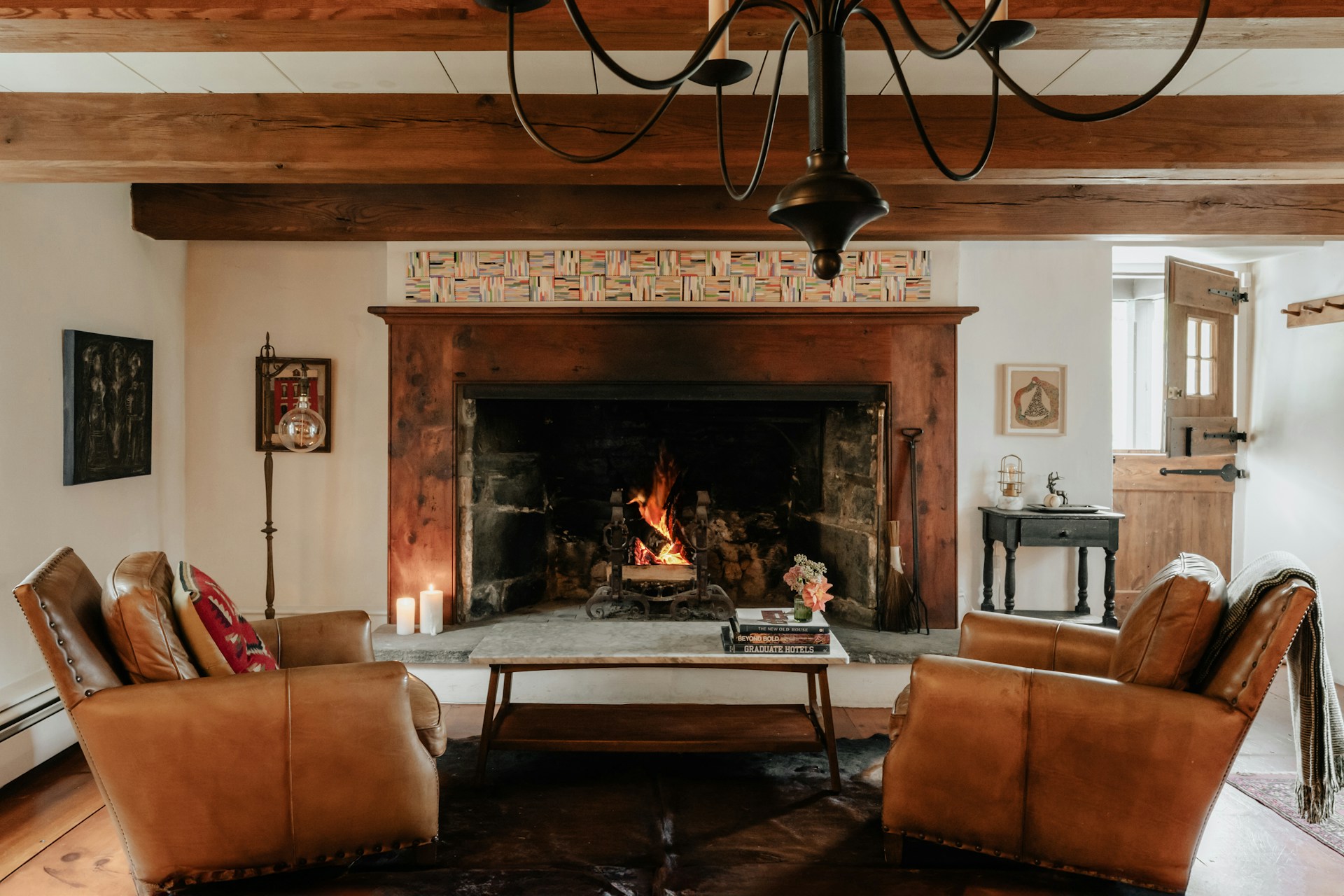
And that brings us to your physical dwelling.
Our homes are full of subtle cues. Consider the living room. If the television is the dominant object, with every chair facing it, we should not be surprised when watching television becomes the default activity. What might happen if the chairs faced one another instead?
If you want to read more, where are the books? If you want to exercise, could you create even a small space for weights, a yoga mat, or a stationary bike? If walking matters, can you keep your shoes visible and easy to grab? If you want people in your life, is your home set up—and is your schedule open enough—to welcome them?
The basic idea is simple: reduce friction around the behaviors you want and add friction around the behaviors you don’t.
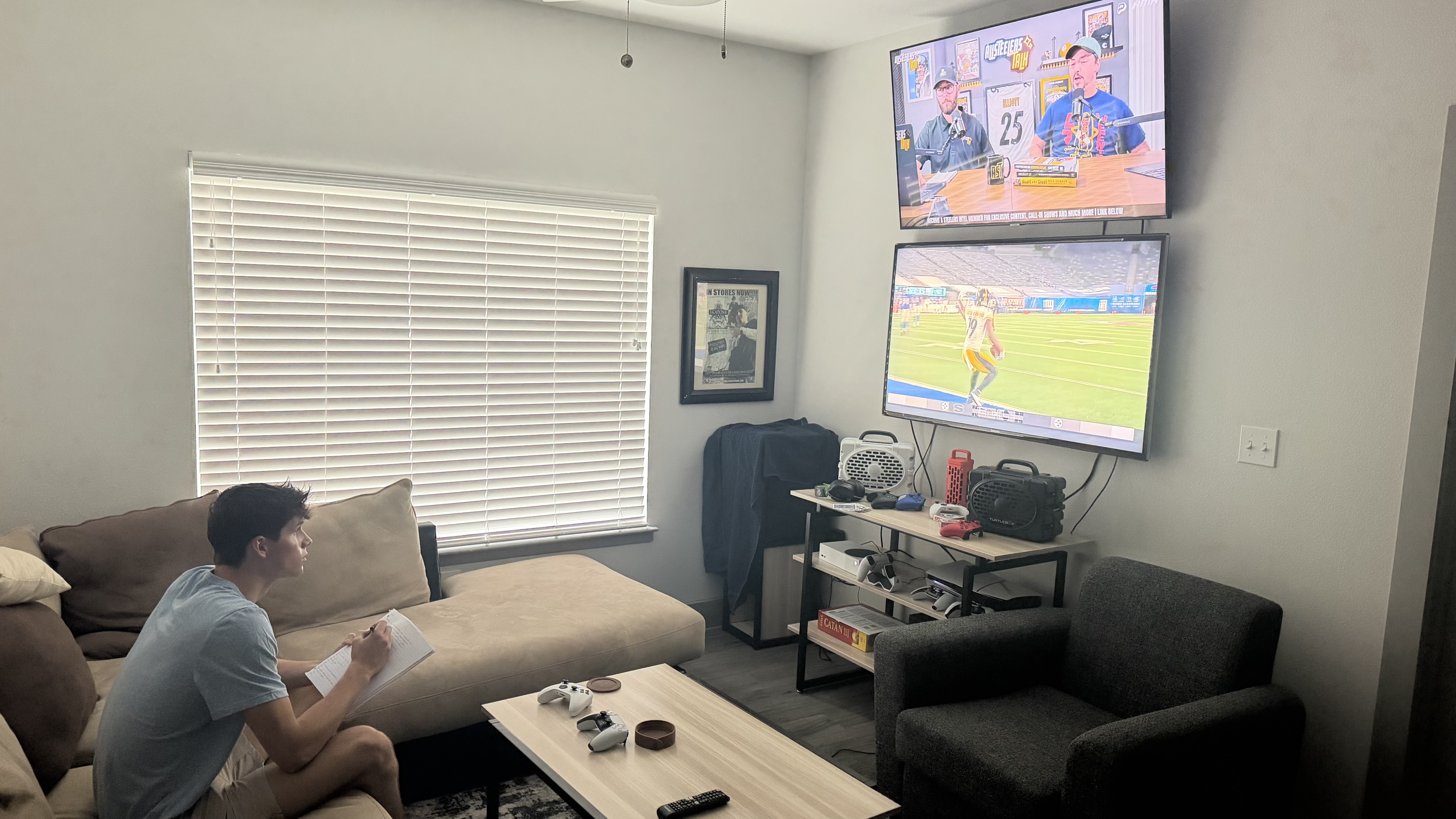
Behavioral scientist Angela Duckworth has described two ways we can do this: “situation selection,” choosing environments that encourage the behavior we want, and “situation modification,” changing an environment we are already in. A student might choose the library instead of a distracting dorm room. Or stay home but put the phone in another room.
The same principle applies to place. Choose environments that make your desired life more likely. Then modify the place you already have to reinforce it.
And importantly, this does not necessarily require moving.
Maybe you rearrange your living room to make conversation easier. Move your phone charger out of the bedroom. Put your walking shoes by the door. Join the nearby gym instead of the better gym fifteen minutes away. Set aside one night each week for friends. Become a regular somewhere. Invite the neighbors over.
We spend enormous energy trying to make better decisions through discipline and willpower. Sometimes that is necessary. But another approach is to change the environment in which those decisions get made.
Design your place so the better decision becomes the easier decision.
The question isn’t simply whether you are a creature of habit or a creature of your habitat. You are both. And one of the most powerful ways to change your habits and perhaps your life is to start with your habitat.