


When I'm 75
At 75, the question isn't just who will need you. It's what you'll need from your place.
In 1967, The Beatles released When I'm Sixty-Four, a playful song about growing older together. Paul McCartney imagined a future of grandchildren, gardening, and growing old with someone he loved. At the time, 64 probably seemed like a reasonable age to contemplate the later chapters of life.
Nearly 60 years later, 64 doesn't seem quite so old. We're living longer, often healthier lives, and many people in their 60s are still working, traveling, pursuing new interests, and embracing new adventures.
Perhaps it's time to update the song. Instead of When I'm Sixty-Four, how about When I'm Seventy-Five?
There's something about 75 that makes it a particularly useful milestone for thinking about where and how we want to live. Not because something magical happens on that birthday, but because the years ahead may bring increasing complexity, particularly around health, healthcare, and the support we need from others.
The question is whether the place that has served us well until now will continue to serve us well in the years ahead.

When Is the Right Time?
One of the most common questions I hear is, "When should I think seriously about where I live?"
The answer depends on the individual. Life transitions are often natural opportunities to reconsider our place. A new job, marriage, divorce, children leaving home, retirement, or a health event can change what we need from our surroundings. Sometimes there's no obvious transition. We simply recognize that our current place no longer feels quite right.
But I believe 75 deserves special consideration.
By then, even healthy, active people should be thinking more intentionally about how their circumstances might change over the next 10 or 20 years. Mobility may become more challenging. Healthcare needs may become more complicated. Driving may eventually become less practical. Social networks may change.
This doesn't mean everyone should move at 75. Far from it. It means we should have a thoughtful plan for remaining in our current place or transitioning to another one if circumstances warrant.
Importantly, the best time to develop that plan is before a crisis limits our options.
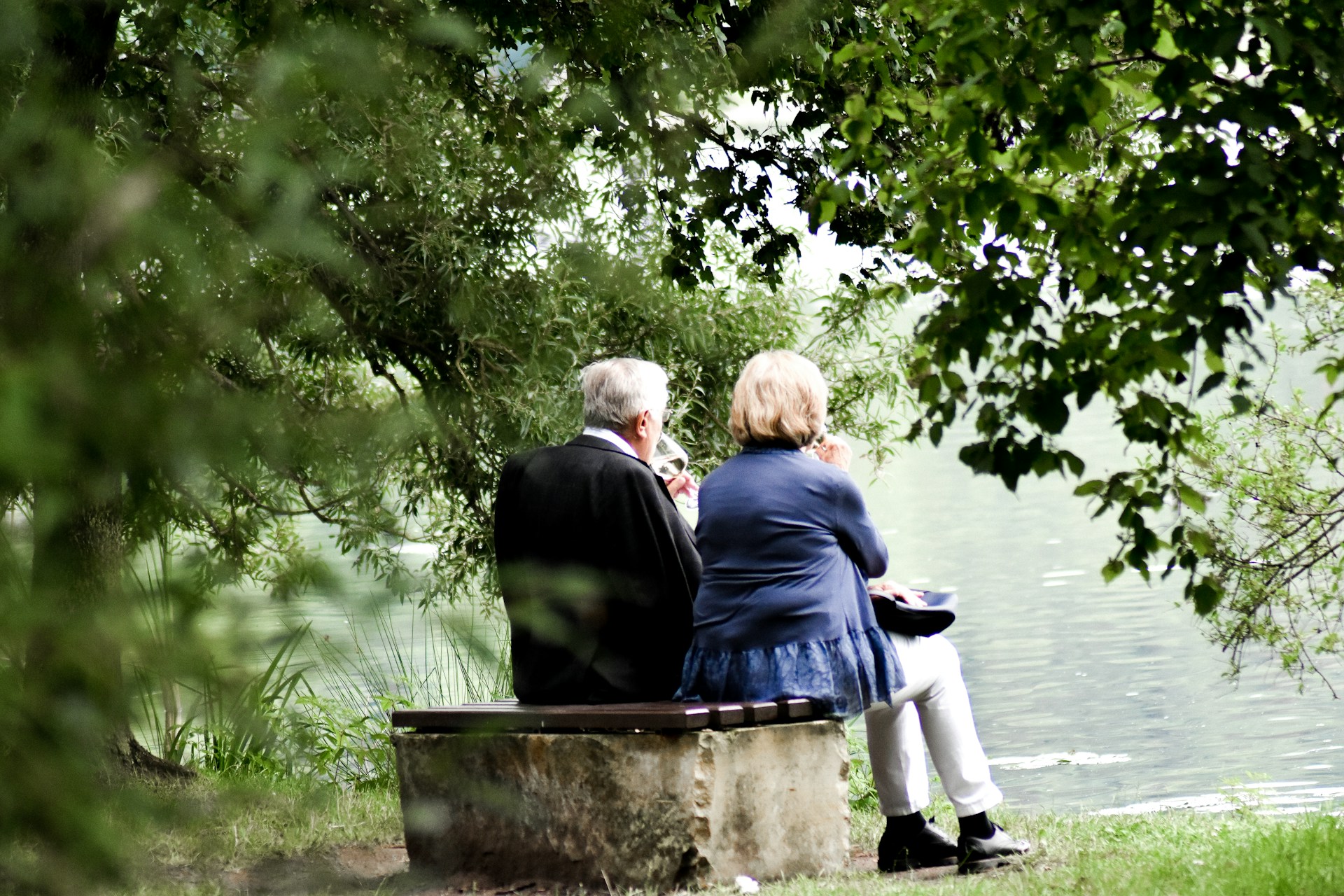
Planning for Two—and Eventually One
For couples, this exercise introduces another layer of complexity.
Two people may share a life but have very different preferences about where and how to live. One might prioritize proximity to family while the other values friendships and familiar routines. One might embrace a smaller home or retirement community while the other wants to remain in the family house.
Neither perspective is necessarily wrong.
This is where Place Planning can help. By evaluating the Four Quadrants of Place—Environment, Health, Community, and Finances—couples can better understand their individual priorities, identify constraints, and consider potential compromises.
But there's another conversation that deserves attention.
Most couples won't pass at the same time. At some point, one partner will likely be navigating life without the other.
What happens then?
Would the surviving spouse want to remain in the same home? Would that place still provide the relationships, healthcare access, financial flexibility, and everyday support needed to thrive? Would moving closer to family or into a more supportive community become desirable?
These aren't particularly enjoyable questions, but addressing them together can be an extraordinary gift to each other and to their adult children.

The Importance for Solo Agers
For people aging without a spouse or partner, Place Planning may be even more consequential.
In some respects, solo agers have an advantage. They don't need to reconcile competing preferences with a partner. They can make decisions based primarily on their own priorities and aspirations.
But that independence can come with greater vulnerability.
Without a spouse as a potential source of everyday assistance, solo agers may need to be especially intentional about developing strong social networks, ensuring access to healthcare, and creating reliable systems of support.
The right place can make an enormous difference. A walkable neighborhood, nearby friends, accessible transportation, and a community where people genuinely look out for one another can become invaluable assets.
For solo agers, having a plan isn't simply about choosing a desirable place. It's about building a foundation for independence, connection, and resilience.

Planning Creates Options
I spoke in a webinar recently about the importance of planning for our future selves. One point I emphasized was that the strategy that got us here may not be the strategy that gets us there.
That's particularly relevant as we approach our later years.
Place Planning isn't necessarily about relocating. In fact, many people who go through the process discover ways to make their existing place work better. They might modify their home, strengthen local friendships, arrange transportation alternatives, or develop a clearer understanding of available healthcare resources.
Others recognize that a different place may offer a better foundation for the next chapter.
Either way, the objective is similar: to make intentional decisions while we still have meaningful choices, rather than allowing circumstances to make those decisions for us.
When I'm Seventy-Five
The Beatles were onto something. Growing older raises important questions about companionship, belonging, and how we want to spend our later years.
What's changed is the timeline.
For many of us, 64 is no longer the beginning of old age. Even 75 can mark the beginning of another vibrant chapter. But greater longevity also means preparing for more transitions, including some we cannot predict.
We don't need to know exactly what the future holds. We do need to give it some thought.
So perhaps the question isn't simply who will still need us or feed us when we're 64—or 75.
It's whether we've created the right place to support the life we want to live, together or alone, for all the years that follow.