


What's Your Plan B?
The future is uncertain. Your options shouldn't be.
In finance, options have value.
That simple idea helped transform modern finance. The development of the Black-Scholes option pricing model in the early 1970s gave investors a way to put a value on flexibility itself. An option is valuable because it gives you choices. You may never exercise it. In fact, many options expire unused. But having the ability to act if circumstances change has real economic value.
Which raises an interesting question.
If options are valuable when managing our investments, shouldn't they also be valuable when managing one of the biggest decisions we ever make—where we live?
Options for Place are Valuable and Necessary
Unfortunately, we often approach place in exactly the opposite way.
Most of us assume that the place we choose today will continue to meet our needs indefinitely. We are remarkably optimistic about the stability of our lives and remarkably poor at anticipating how our preferences will evolve. Careers change. Families grow and shrink. Health changes. Communities evolve. Governments change. Neighborhoods improve—or decline.
The home that feels perfect today may not be the right home ten years from now.
That doesn't mean your current plan is wrong. It simply means that every Plan A deserves a thoughtful Plan B.
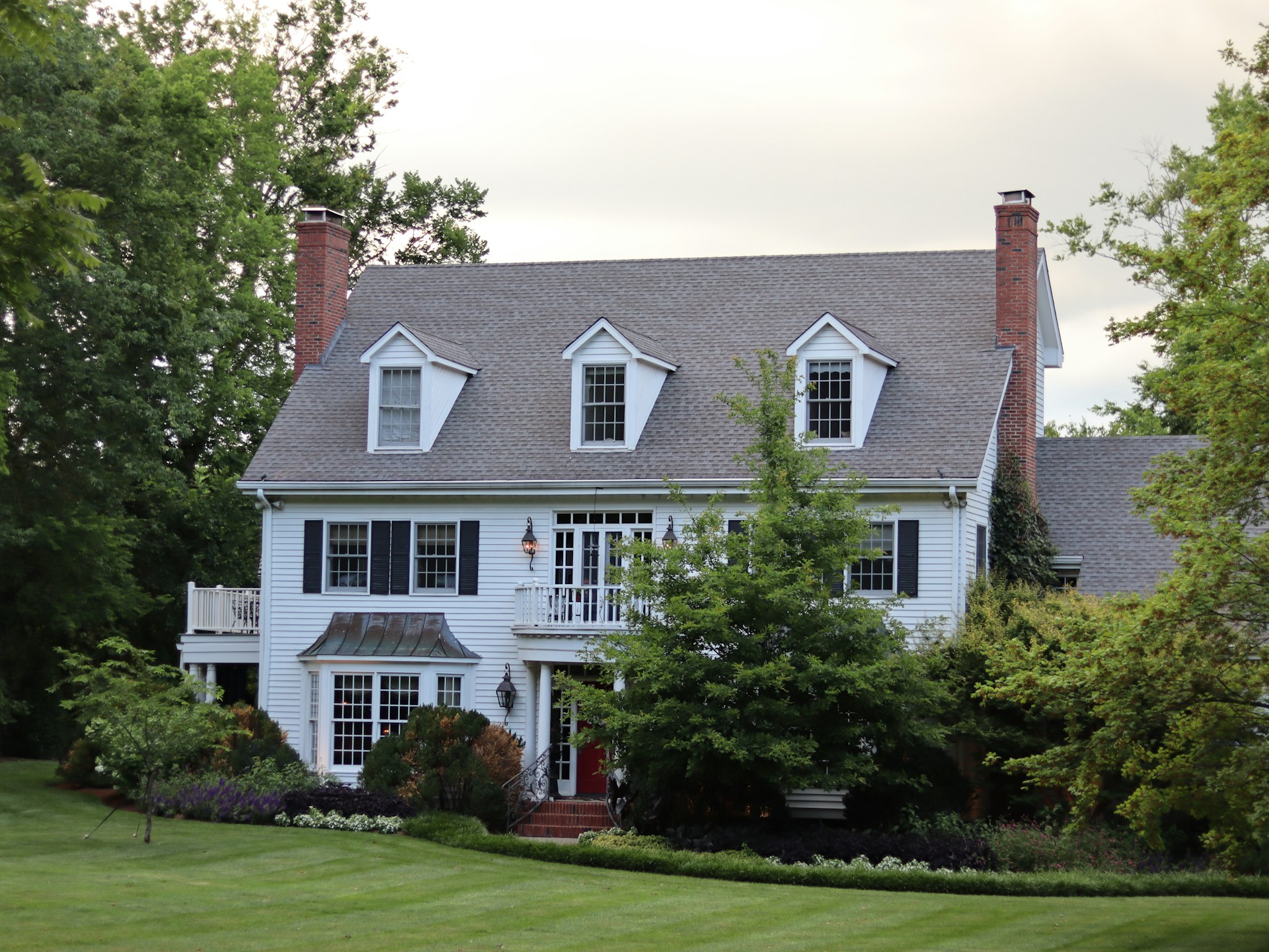
What's Plan B for Aging in Place?
Consider three common situations.
First, imagine you're in your seventies and hope to age in place. I believe many people can—and should—do exactly that. But aging in place isn't a strategy simply because you want it to happen. The better question is: under what circumstances would staying no longer make sense? What happens if your spouse dies? What if driving becomes difficult? What if maintaining the house becomes overwhelming? What if your health changes unexpectedly?
A recent Wall Street Journal article on aging in place ("More Americans Want to Age at Home. How One Couple Plans to Make It Work") highlighted just how unpredictable these transitions can be. Many readers shared stories of parents who assumed they would never move until a health event forced a hurried decision. A move made under pressure rarely produces the best outcome.
A better approach is to know your alternatives before you need them. Visit communities. Talk with residents. Understand the financial implications. Explore your options while they remain choices rather than emergencies.
What's Plan B for Moving Abroad?
Now consider someone moving abroad.
Perhaps you've fallen in love with Portugal, Mexico, Costa Rica, or another country after a vacation or two. Living somewhere, however, is different from visiting. What if healthcare is more difficult to navigate than expected? What if the local economy changes? What if political conditions become less stable? What if you simply discover that you miss family more than you anticipated?
None of those possibilities mean moving abroad is a mistake. They simply suggest that it is wise to think through your alternatives before you leave. Could you return? Where would you go? What would that transition look like financially and emotionally?

What's Plan B for Moving a Family for a Job, Schools?
Finally, think about a young family relocating for career opportunities and schools.
A new city promises better jobs, excellent schools, and a higher quality of life. But what if the employer downsizes? What if the local economy isn't as diverse as expected? What if your child struggles in the highly rated school that looked so impressive on paper? Or what if another opportunity emerges elsewhere?
The question isn't whether your decision was right. The question is whether you've preserved enough flexibility to adapt if circumstances change.
Role of Design Thinking
One of the best ways to reduce these risks is to borrow a lesson from design thinking.
Prototype before you commit.
Spend meaningful time in a community before relocating. Rent before buying if possible. Visit during different seasons. Talk to people who have lived there for years, not just those trying to sell you something. Identify the assumptions underlying your decision and actively test them. The more uncertainty you can remove before making a major move, the better.
And even then, recognize that no amount of planning eliminates uncertainty.
Life has a way of surprising us.

Think About Plan B While Developing Plan A
That's why I encourage people to think about Plan B while they are developing Plan A. Not because they expect failure. Quite the opposite. Thinking through alternatives often strengthens your primary plan because you've identified the circumstances under which you would adjust course.
The goal of Place Planning isn't to predict the future with perfect accuracy.
It's to preserve your ability to respond wisely when the future inevitably surprises you.
Investors understand the value of optionality.
Perhaps it's time we gave the same consideration to where we choose to live.
So, as you think about your next move—or your decision not to move at all—ask yourself one simple question.
What's your Plan B?