


The Network Effect of Friendship
Friendship matters. Friendship networks may matter even more.
There is a growing body of research pointing to something both simple and profound: relationships are one of the most important ingredients for a long and healthy life. The famous Harvard Study of Adult Development—which has tracked people across decades—has repeatedly found that the quality of our relationships is one of the strongest predictors of well-being, health, and even longevity. Not wealth. Not fame. Not career success. Relationships.
That finding feels increasingly important in a world where people are living longer lives across multiple chapters, routines, and geographies. While the value of friendship is widely understood, the mechanics of maintaining friendship are often less appreciated. Friendship requires effort, proximity, and repeated interaction—all of which become harder over time as people move, careers change, children grow up, parents age, and routines shift. In fact, sociologist Gerald Mollenhorst found that roughly half of the people in our close social networks are replaced over a seven-year period. Even strong friendships can weaken without any dramatic conflict or falling out. Life simply pulls people in different directions.
This dynamic becomes more visible with age. In younger years, friendship can feel ambient. School, work, neighborhoods, and children’s activities naturally create overlapping social circles. But later in life, maintaining relationships often requires much more intentionality. And that raises an important question: not just whether we have friendships, but how those friendships are structured.

The Power of the Network
There is a meaningful difference between having a collection of one-on-one friendships and being part of a broader friendship network.
One-on-one relationships can be incredibly deep and meaningful. But they can also be fragile in ways we do not always recognize. If a friendship depends entirely on two people independently maintaining the connection, the relationship carries a higher maintenance burden. A move, a health event, a busy season, or a life transition can weaken the tie unless one of the two people continually works to sustain it.
Networks function differently.
When friendships exist within a broader web of relationships, they become more resilient. Friends introduce friends. Social energy compounds. People reconnect through shared communities, dinners, traditions, organizations, alumni groups, places of worship, clubs, volunteer work, or recurring gatherings. Even if one connection weakens temporarily, the broader network helps preserve continuity.
Friendship Networks as Social Infrastructure
In many ways, networks create social infrastructure.
This is part of why “joiners” often age well socially. They belong to things. They show up repeatedly. They become known within communities rather than solely within individual relationships. And importantly, those networks often create opportunities for new friendships to emerge organically over time.
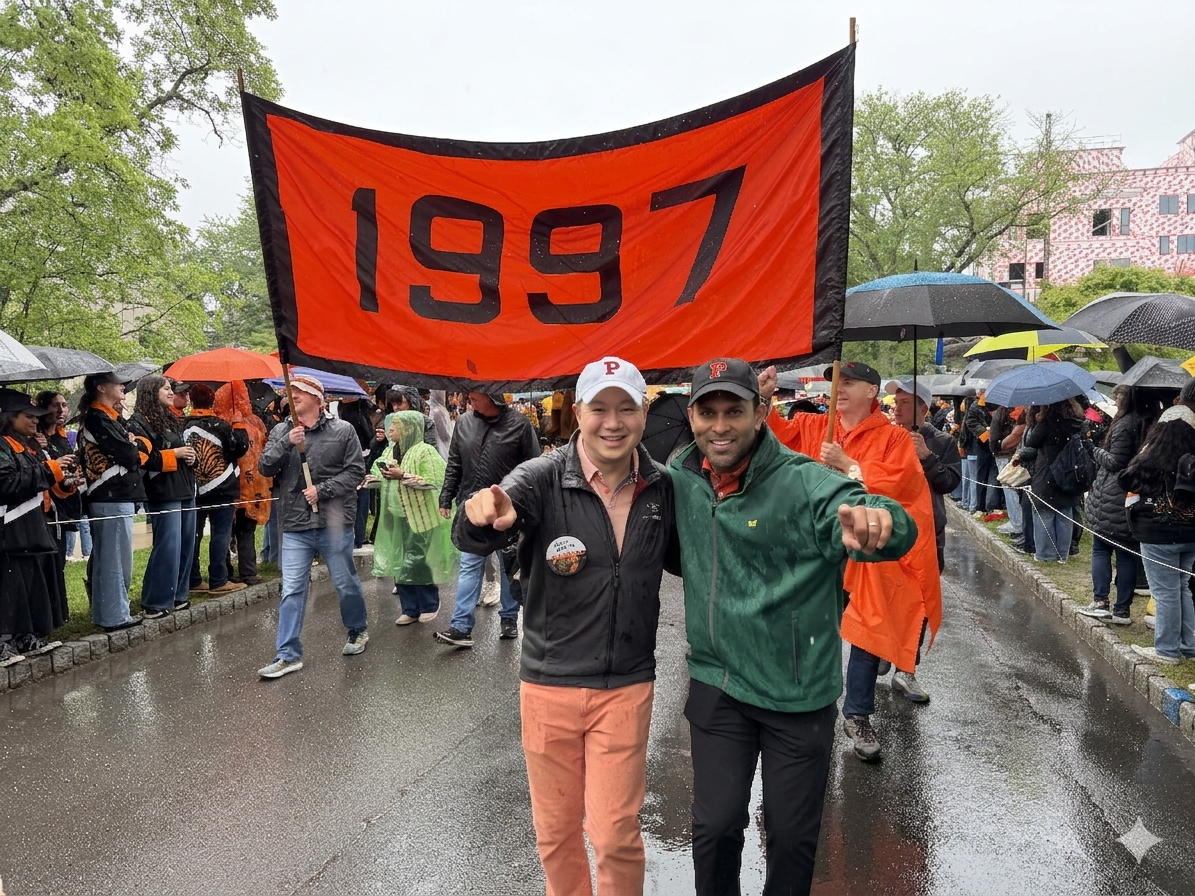
Think about the person who keeps attending college reunions, even when it feels inconvenient. Or the person who joins the walking group, serves on the nonprofit board, participates in the neighborhood gathering, attends the community lecture series, or says yes to the dinner invitation. On the surface, these activities can seem optional or even trivial. But underneath them is something much larger: they are ways of reinforcing and expanding a friendship network.
That matters because friendship is not static. It is dynamic. Networks need renewal.
Beware of Shrinking Friendship Networks
One of the risks of aging is not merely loneliness, but network shrinkage. People retire. Friends relocate. Health limitations emerge. Some relationships naturally fade. If someone’s social life is built entirely around a few isolated one-on-one relationships, the loss or weakening of even one connection can have an outsized effect.
Broader networks create more resilience against that reality.

Consider Friendship Networks AND One-on-One Relationships
Importantly, this does not mean everyone needs to become highly extroverted or socially performative. Some people genuinely thrive in smaller, deeper relational settings. There is no single right way to build friendship. The goal is not maximizing social volume. The goal is creating durable social connection.
For some, that may mean focusing intentionally on a handful of close relationships. For others, it may mean embedding those relationships within a wider community structure that helps friendships sustain themselves over time.
Often, the strongest approach may be both.
Become part of a broader network. Then cultivate meaningful individual relationships within it.

Role of Place to Nurture Social Networks
This may be one of the hidden advantages of place itself. Certain places and communities make it easier to build overlapping social ties. Walkable neighborhoods, recurring civic traditions, faith communities, clubs, volunteer organizations, continuing education programs, and intergenerational gathering spaces all increase the likelihood of repeated interaction. They create opportunities for friendship networks to form naturally rather than requiring every relationship to be individually engineered from scratch.
In a society that is increasingly mobile, individualized, and digitally mediated, building and maintaining these kinds of networks may require more intentionality than it once did. But the payoff can be enormous.
Longevity is not just about adding years to life. It is also about building a life capable of supporting those years well.
And increasingly, one of the most powerful forms of support may not simply be friendship itself.
It may be the network around it.