


Get Rooted in a Rootless Age
The modern world gives us more mobility and choice than ever. Rootlessness can be the result.
In many ways, it has never been easier to move. Jobs are more flexible. Families are more dispersed. Technology allows us to stay loosely connected no matter where we go. We can shop, work, worship, and socialize from almost anywhere. Mobility has become a modern virtue, even an expectation. But with all these options, something surprising has happened: people increasingly feel unmoored. The freedom to choose from anywhere has made it harder to feel deeply “from” somewhere.

The Cost of Mobility
When moves are frequent and commitments are light, a place becomes interchangeable—a backdrop rather than a true home. Neighborhoods feel transient. Friendships become provisional. Even long-time residents sometimes feel like visitors in their own communities. This rootlessness comes with subtle costs: weaker relationships, lower civic participation, fewer intergenerational ties, and a harder time finding meaning in the everyday rhythms of life. A sense of “float” replaces a sense of belonging. And over time, that takes a toll on our well-being.
Why Rootedness Matters
The French philosopher Simone Weil put it starkly: “To be rooted is perhaps the most important and least recognized need of the human soul.” Weil believed that human flourishing depends on a sense of connection—to people, to land, to history, to purpose. Rootedness isn’t the opposite of mobility; it’s the presence of depth. It’s the feeling that you are tethered to something larger than yourself, that your life is held in a web of relationships, stories, and commitments. Research today confirms what Weil intuited decades ago: people who feel attached to where they live enjoy stronger social ties (chosen family), greater life satisfaction, and more resilience during difficult seasons. Rootedness doesn’t remove challenges, but it gives us a steady ground from which to face them.
So how do we cultivate rootedness in a society that constantly nudges us toward the opposite? You can’t force belonging, but you can create the conditions in which it grows. Below are two practical steps.

Step 1: Find Your Place
Rootedness begins with choosing—not drifting into—a place. That requires paying attention to how different environments shape you. Does a city energize you or drain you? Do you value walkability, natural spaces, cultural vibrancy, or proximity to family? Do you feel more alive in a quiet town or a bustling urban neighborhood? Does this place attract your type of people? We often assume that meaning comes from our internal life alone, but place is a multiplier. The right place for you will not be perfect, but it will feel like an ally in the life you want to build. It will support your health, surround you with potential relationships, and give you a sense of possibility. Finding that place is not a luxury—it is foundational to well-being.
Step 2: Invest Where You Are
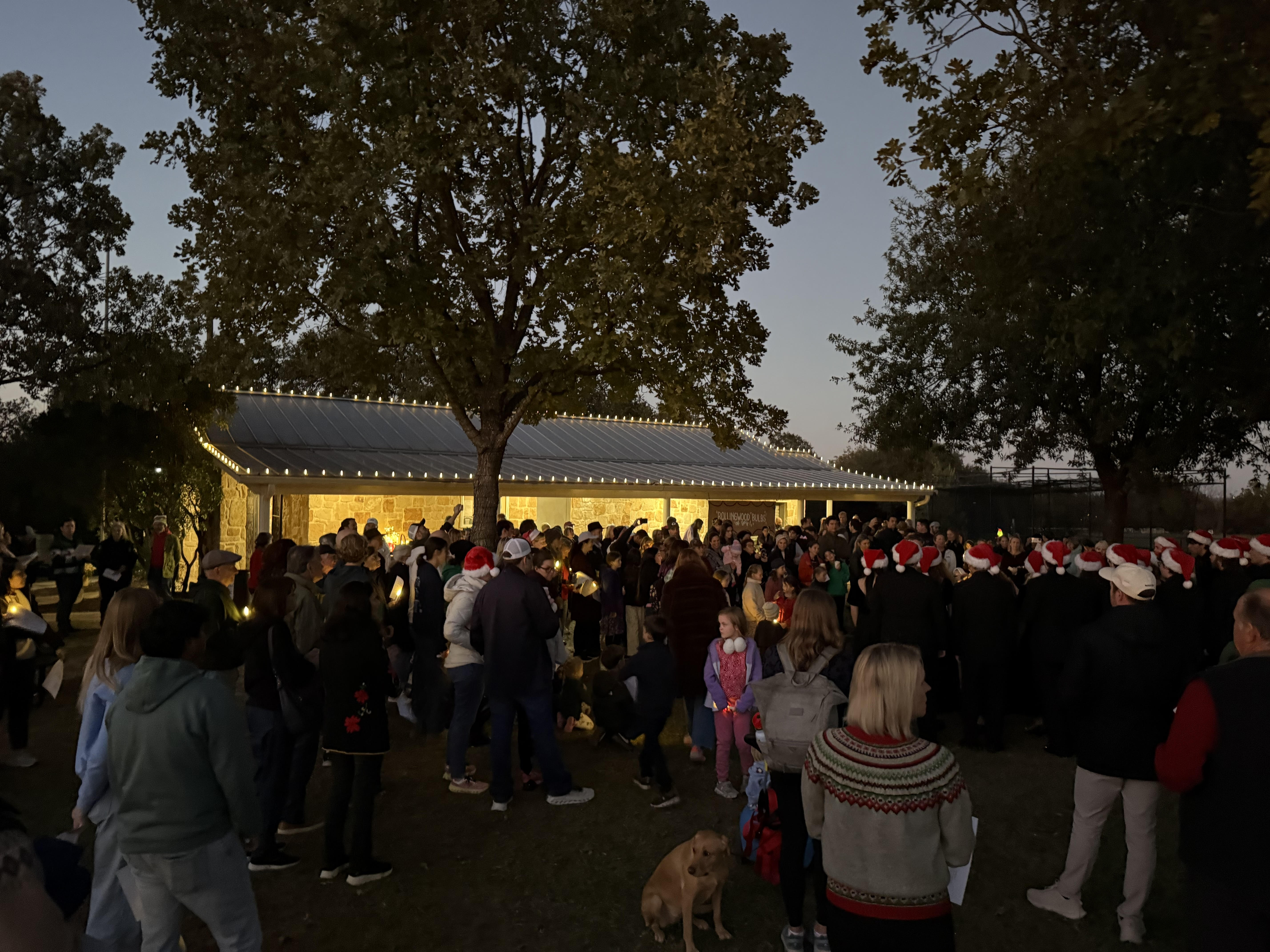
A place becomes a home through repeated acts of presence. Say yes to small invitations. Host parties. Learn your neighbors’ names. Participate in local traditions. Walk and notice your place. Support the institutions that hold the community together—your library, your park, your school, your house of worship. Show up at the events that make your town unique. These ordinary investments compound. They transform a geographic location into a community, and a community into a source of identity. Rootedness grows when we decide, consciously, to stop being tourists in our own lives.

Stay or Go? Regardless Choose Rootedness
There is wisdom in staying put long enough to form deep ties, and there is wisdom in recognizing when a place no longer supports your well-being. Life stages change. Careers shift. Family needs evolve. Rootedness is not rigidity. It is a posture of connection, not immobility. The goal is not to avoid moving; it is to avoid drifting. If a move becomes necessary, bring your intentionality with you. Choose the next place with care. Plant new seeds early. Recognize that rootedness can be rebuilt—but it takes time and attention.
We live in a rootless society, but we don’t have to lead rootless lives. We can choose differently. We can choose to belong, to invest, and to stay long enough to create memories that matter. Options are a gift of modern life. Rootedness is the counterweight that helps us use those options well.