


Unlock Possibilities in 2026
Harness the perspective and energy of a new year for a better life. And lean into place.
There’s something quietly powerful about the beginning of a new year. It creates a natural pause—a moment when the forward momentum of life briefly slows and we’re given psychological permission to step back and ask bigger questions. Who am I becoming? How am I actually living? Do my daily patterns reflect what matters most to me? January doesn’t magically change our circumstances, but it does something just as important: it opens a window for reassessment. A mix of aspiration and dissatisfaction often bubbles up, not because things are necessarily “bad,” but because we sense that they could be better—or at least more aligned. The calendar becomes a checkpoint, an invitation to imagine a different trajectory and consider what it might take to move toward it.
If you’re feeling that energy right now, don’t rush past it. This is a moment to unlock possibilities.
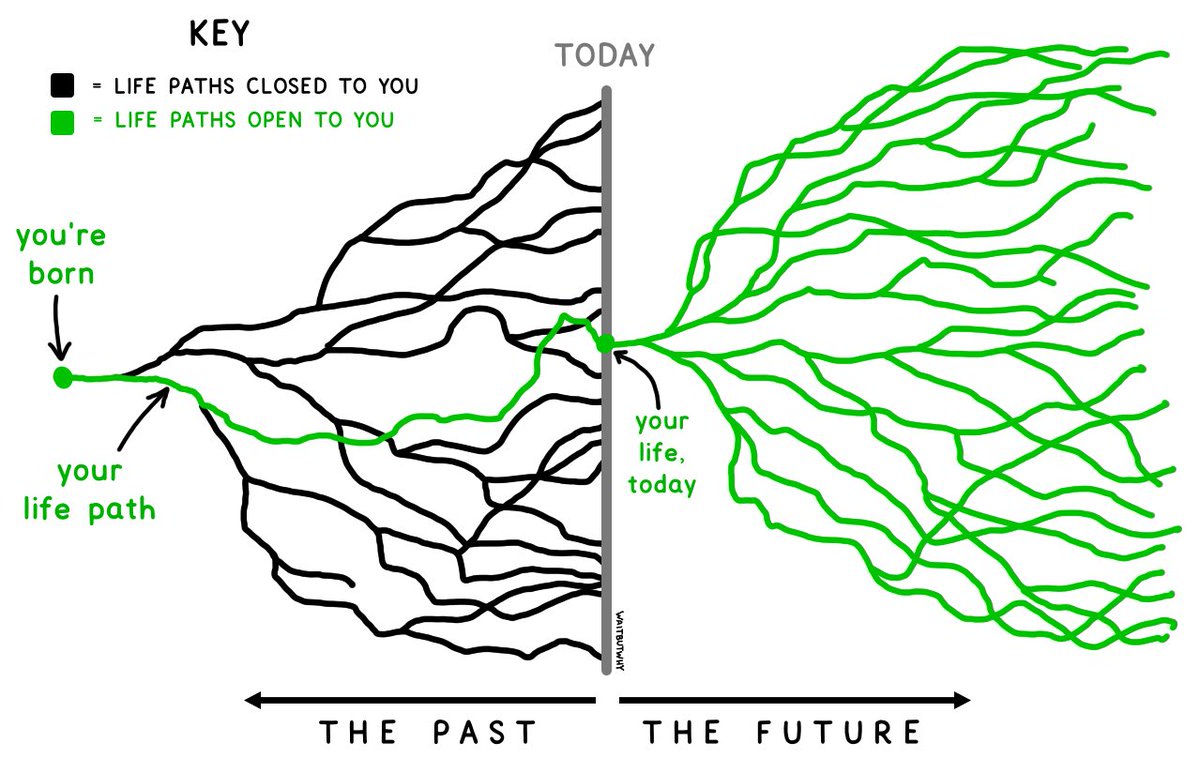
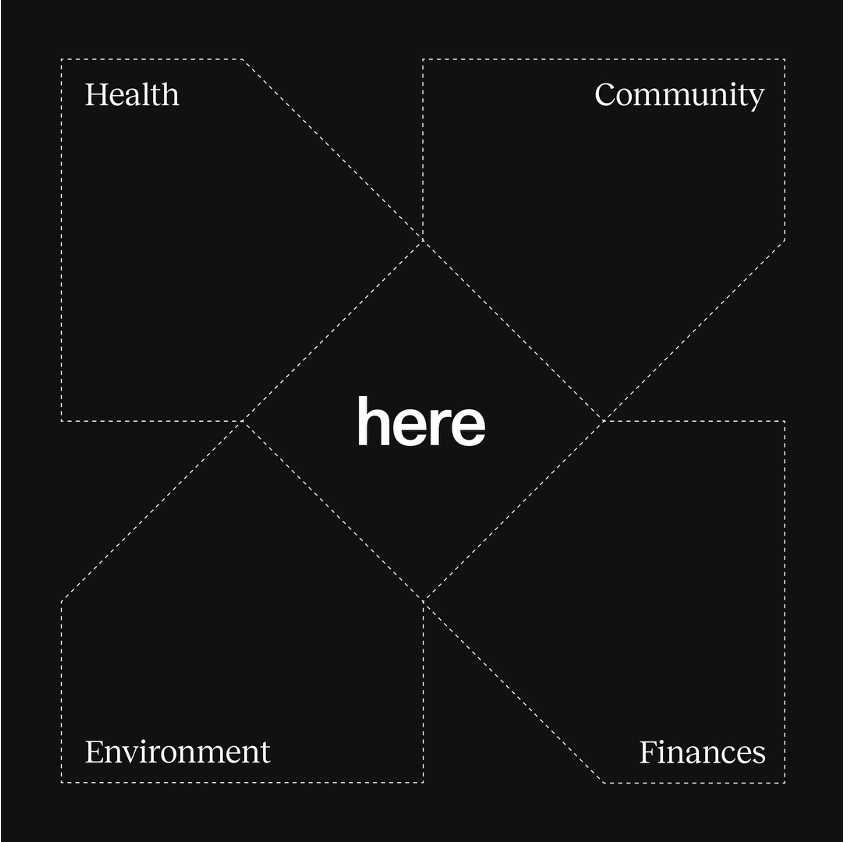
One of the most useful ways to do that is by asking better questions—especially questions rooted in place. Not just what you want to change, but where and how you want to live. Start with your environment. Does your home and neighborhood support the life you want to lead, or does it quietly work against it? Are you energized by your surroundings or constantly compensating for them? Think about health next—not just medical care, but daily movement, sleep, stress, and access to the rhythms that keep you well. Does where you live make healthy choices easier or harder? Then consider community. Who are your people right now, and how often do you actually see them? Do you feel known, useful, and connected, or mostly busy and fragmented? Finally, look honestly at finances. Does your cost of living align with your values and priorities? Are your housing and transportation choices giving you flexibility—or quietly limiting your options?
These questions aren’t meant to overwhelm. They’re meant to surface insight. Because when you step back and look at your life through the lens of place, patterns emerge quickly.
That’s where the power of place comes in. Place isn’t just a backdrop to your life; it’s an active participant in it. Where you live shapes how you spend your time, who you encounter, how much friction exists between intention and action. Over time, those small, repeated interactions compound. The right place doesn’t guarantee happiness or health, but it dramatically increases the odds that the life you want is actually livable. And the wrong place—no matter how familiar or prestigious—can quietly drain energy, connection, and possibility.
For many people, the start of a new year is when they sense this most clearly. They feel the tension between the life they’re running and the life they imagine. That tension is not a failure; it’s information.
The first step is giving yourself permission to think differently. Not incrementally, but expansively. Permission to ask “what if?” without immediately shutting the idea down. What if your home supported your health instead of competing with it? What if your social life wasn’t something you scheduled occasionally, but something built into your geography? What if your housing costs freed up time, generosity, or flexibility rather than consuming it? What if the next chapter of your life didn’t have to look like a slightly revised version of the last one?
These questions aren’t about fantasy; they’re about imagination. And imagination is where meaningful change begins.
Place Planning starts here—with the belief that things could be different. That they could be better. Not perfect, not effortless, but more aligned with who you are and where you’re headed. It’s guided by questions before it’s guided by answers. It resists the pressure to optimize one dimension of life at the expense of the others. Instead, it looks for coherence—between environment, health, community, and finances—because that’s where sustainable well-being actually lives.
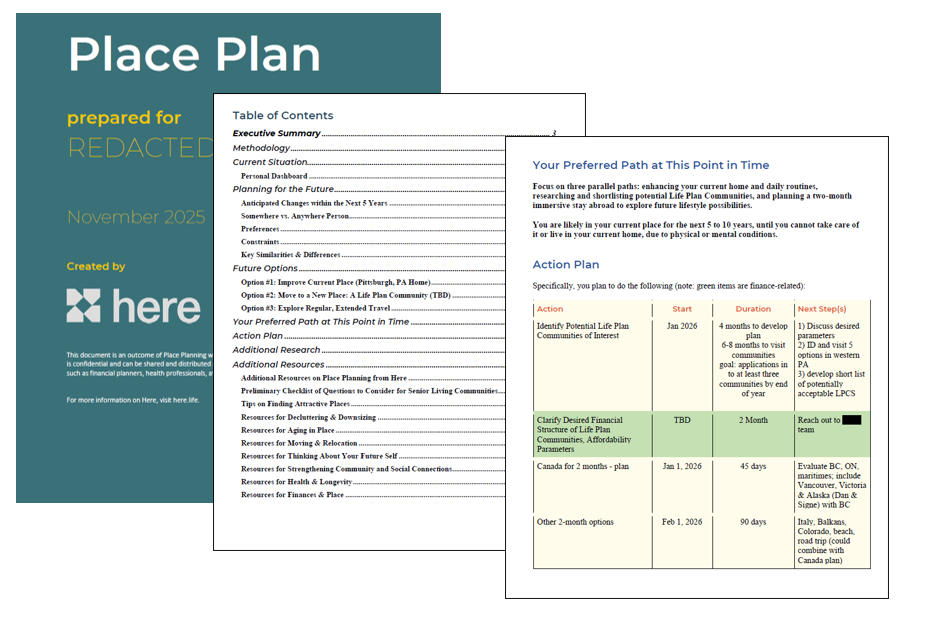
Importantly, Place Planning doesn’t end with inspiration. It ends with a plan. A practical, grounded roadmap that turns possibility into action. Sometimes that plan involves a move. Sometimes it involves staying put but engaging differently—changing how you use your neighborhood, your home, your time. Often it’s less dramatic than people expect, but far more consequential.
You can do this work on your own, slowly and thoughtfully. And if you’d like help—structure, perspective, accountability—we’re here for that too. Either way, the invitation is the same.
As 2026 begins, don’t rush to fill the space with resolutions or habits disconnected from place. Instead, use this moment to ask where your life is unfolding—and whether that place is helping you become who you want to be. The new year doesn’t promise transformation. But it does offer a door. What you do with it is where possibility begins.