


How Much Space is Enough?
Your home should fit the life you want, not the life you had.
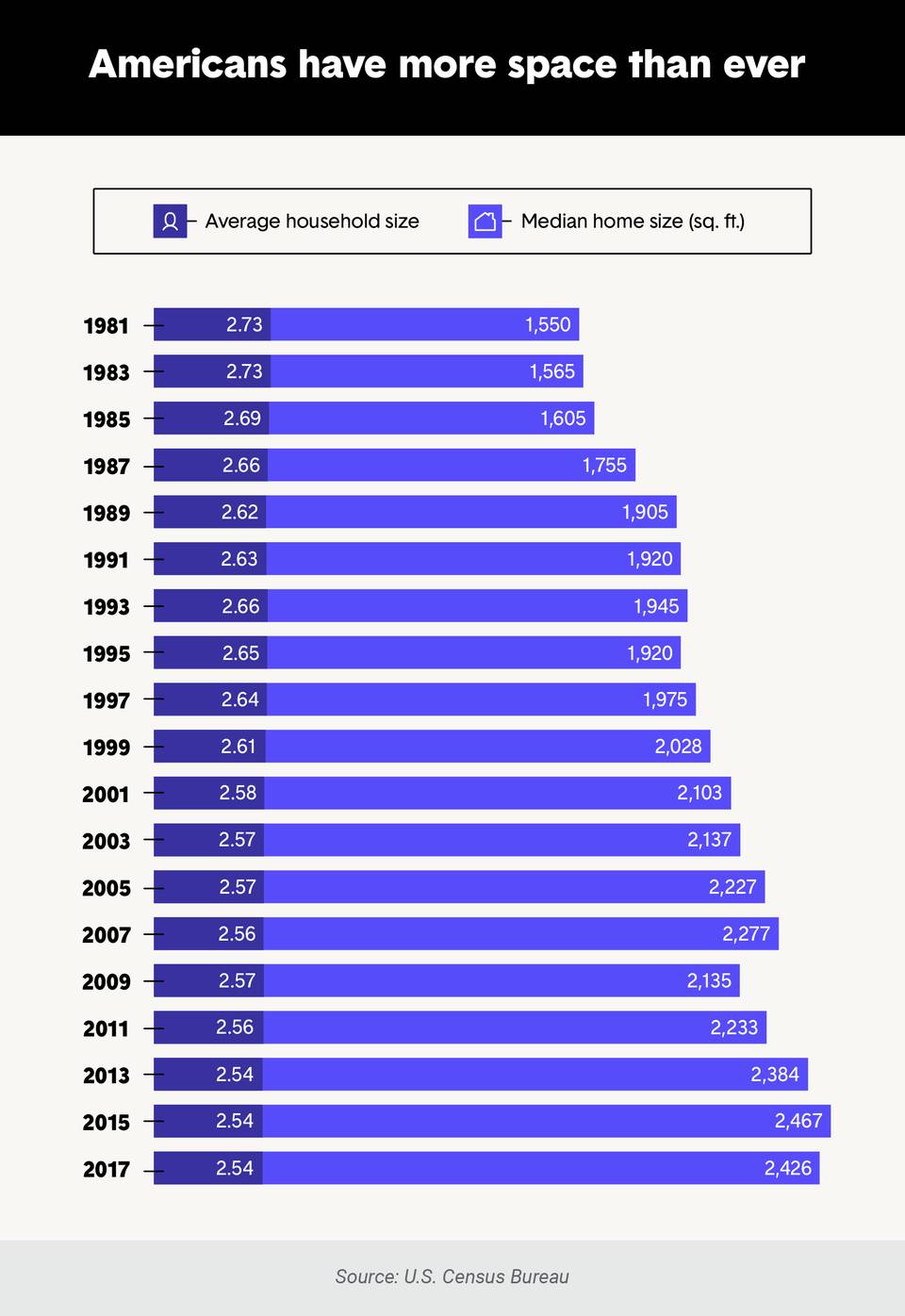
One of the curious side stories of this summer’s World Cup has been the reaction of international visitors to the sheer scale of American life. A recent Wall Street Journal piece followed Dutch fans in Missouri and captured the reaction well: “Everything is three times the size.” That observation was not just about stadiums, highways, or grocery stores. It was also about the everyday spaciousness many Americans take for granted: larger homes, bigger yards, wider streets, more parking, more rooms, more closets, more places to put more things. To many visitors, especially from Europe, this abundance can look enviable. There is a freedom in having space. There is comfort in it. There is possibility.
But there is also a question hiding inside that envy: how much space is actually enough?
Space is a Personal Decision and Highly Circumstantial
The answer is not universal. The right amount of space depends on where you live, what you can afford, whom you live with, what stage of life you are in, and what you need your home to do. A young family may genuinely need bedrooms, play space, storage, and room for the chaos of daily life. Someone working from home may need a dedicated office. A recently retired couple may want space for visiting children and grandchildren. A single person in a walkable neighborhood may be happier with less square footage and more life outside the front door. Space is not good or bad on its own. The real question is whether the space you have supports the life you want.
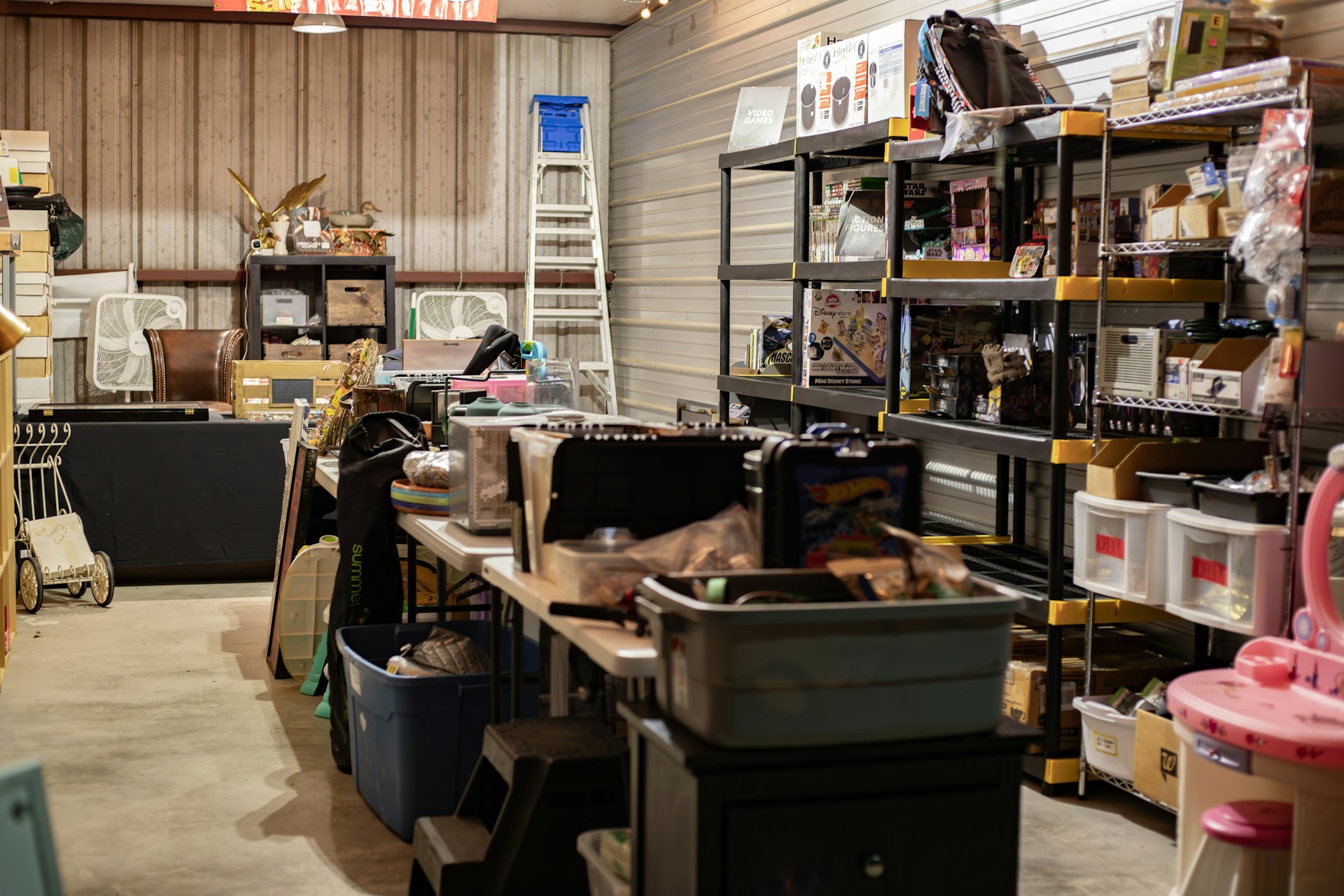
Extra space, however, is rarely free. Some costs are obvious: a larger mortgage or rent payment, higher property taxes, bigger utility bills, more insurance, more maintenance, more furniture, more repairs, and more time spent keeping everything clean, heated, cooled, and functional. Other costs are easier to miss. A larger home can invite accumulation. Empty rooms fill up. Closets absorb things we are not ready to decide about. Garages become holding tanks. Attics and basements become museums of former selves. And when we run out of room at home, we increasingly rent more space somewhere else. The growth of self-storage is one of the clearest signs that many Americans are not just buying space to live in. We are buying space to store what we are not using, not ready to release, or not sure how to face.
At some point, stuff can become more than a storage problem. It can become a decision-making problem. Many people assume their children will want the furniture, china, collectibles, files, framed pictures, tools, books, and boxes that have accumulated over decades. Often, they do not. This can be emotionally painful, but it is also liberating if faced early. The things that mattered to us may not carry the same meaning for the next generation. Matt Paxton, the downsizing expert and author of Keep the Memories, Lose the Stuff, makes this point in a useful way: the goal is not to erase the past, but to preserve the stories while releasing the burden of too many objects. The memory is not always in the item. Sometimes the memory can be honored with a photo, a story, a note, or one carefully chosen keepsake rather than a whole room full of things.
When Our Space Mismatches Our Life
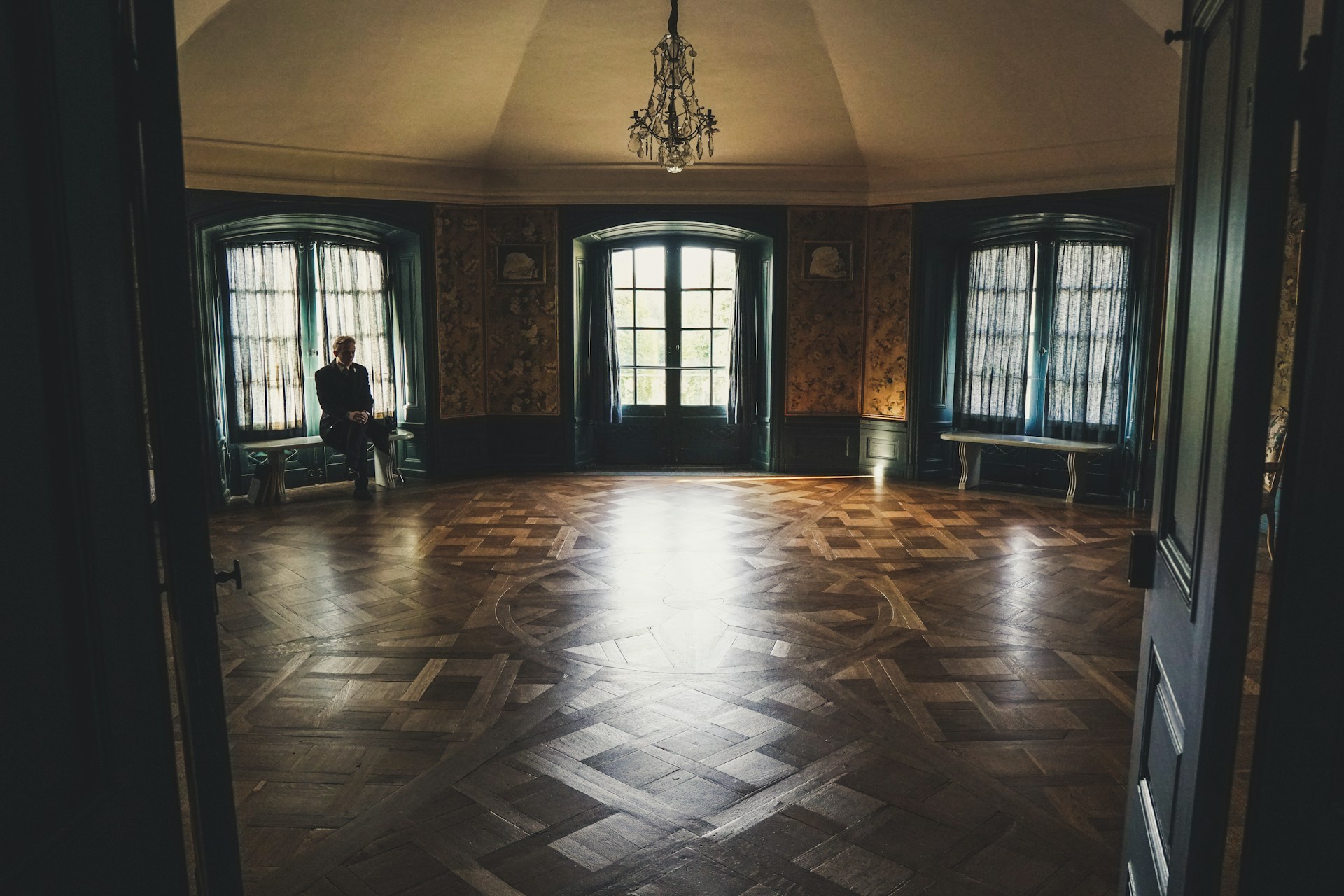
This matters because stuff can quietly trap us in places that no longer fit. A home may be too expensive, too isolated, too hard to maintain, too far from the people and activities that give life meaning. But the thought of sorting, donating, selling, moving, and deciding can feel so overwhelming that staying put becomes the default. We tell ourselves we are choosing the house, when in reality we may be choosing to avoid the stuff. That is understandable. It is also risky. The longer we wait, the more likely decisions about place will be made under pressure: after a health event, the death of a spouse, a financial change, or a family crisis.
So what should you do if you suspect you have more space than you need? Start not with square footage, but with function. Which rooms do you actually use? Which spaces support your health, relationships, work, hobbies, and sense of belonging? Which spaces mostly store things you rarely touch? Then ask a more strategic question: what would less space make possible? Less space, if well designed and well located, can reduce costs, free up time, simplify maintenance, and make it easier to live near friends, family, services, parks, restaurants, or cultural life. Smaller does not have to mean lesser. Sometimes smaller means more intentional.
The reverse can also be true. Maybe you do need more space. But be specific. More space for what? A home office? A caregiver? A first-floor bedroom? Grandchildren? A workshop? A multigenerational household? Before assuming a move is necessary, ask whether decluttering, renovating, reconfiguring rooms, adding built-ins, improving storage, or changing how you use the home could solve the problem. The right answer may be more space, less space, or simply better space.
How Can Amount of Space Help Deliver My Desired Life?
The World Cup visitors may be right to marvel at the spaciousness of American life. Space can be a blessing. It can give us privacy, flexibility, comfort, and room to gather. But more space is not automatically a better life. The tragedy is when we become servants to our square footage, our storage units, our unused rooms, and our accumulated things. A good home should support your life, not quietly organize your life around its demands.
So perhaps the better question is not, “How much space can I afford?” It is, “How much space helps me live well now, while keeping me free for what may come next?” Fundamentally, this is a question about planning. Place Planning.