


Age of Individual Responsibility
The future may offer fewer parachutes. Careful planning matters more than ever.
For much of modern history, the implicit promise was that institutions would help make longer lives more manageable. Employers would provide pensions. Governments would support people in retirement. Families would step in when care was needed.
Those sources of support have not disappeared. But it would be risky to assume that they will expand enough to meet our current and future needs.
Across much of the world, people are living longer while having fewer children. That combination is gradually changing the shape of society. The traditional population pyramid—with many younger people supporting a smaller number of older people—is becoming more rectangular. There are fewer workers relative to retirees, even as the costs of pensions, healthcare, and long-term care rise.
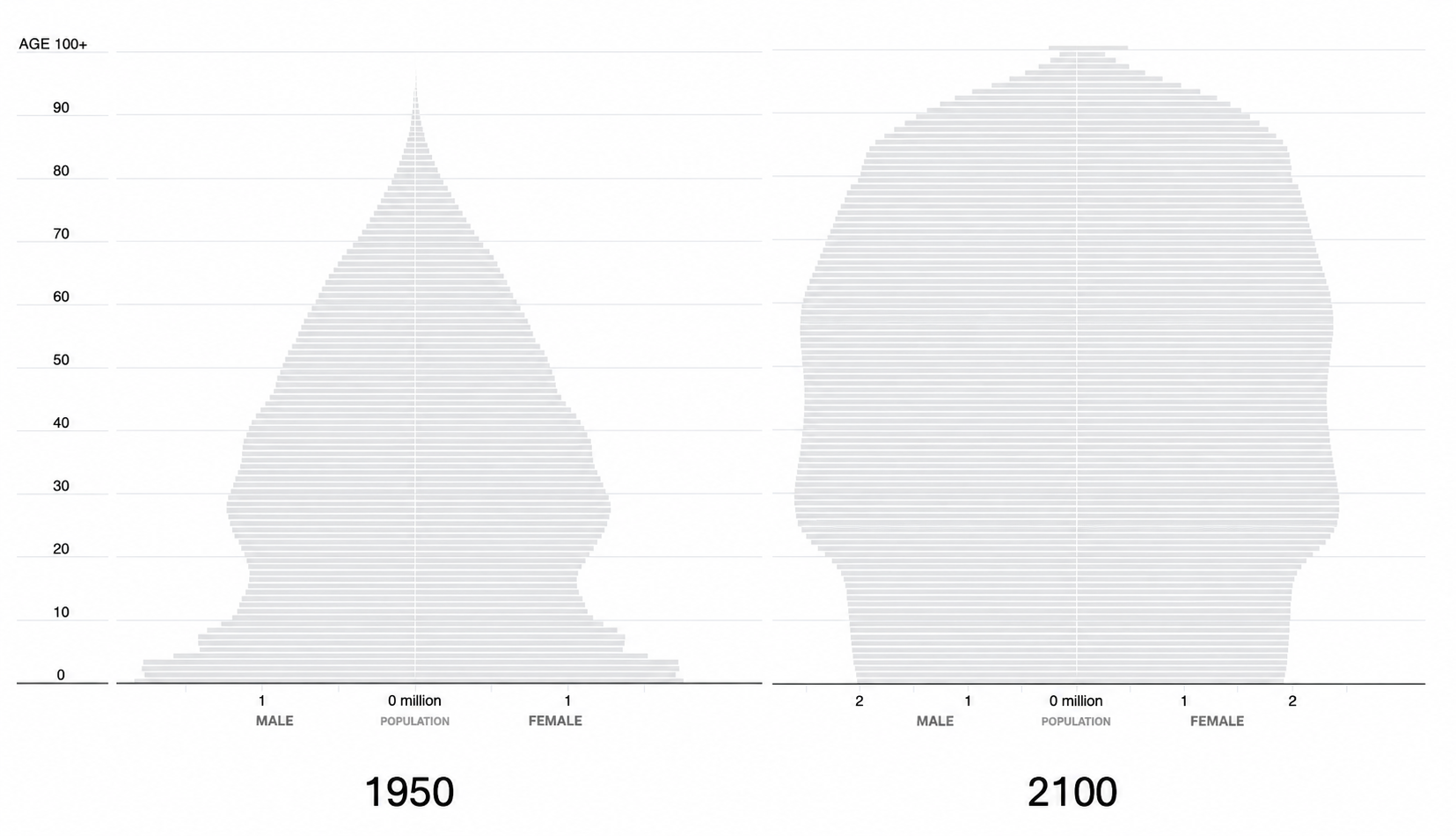
This creates difficult choices for governments. At a time of high public debt and competing demands for resources, substantially expanding retirement and aging-related programs becomes increasingly challenging. Existing programs will remain important, particularly for those with the greatest needs, but there may be fewer parachutes available than many people expect.
We can debate whether that is right or wrong. But we should also recognize it as a practical reality.
In many ways, the shift toward individual responsibility has already been underway for decades. In the United States, employer-sponsored retirement plans have largely moved from defined-benefit pensions to defined-contribution plans. Instead of being promised a certain income in retirement, workers are increasingly responsible for deciding how much to save, how to invest it, and how to make it last.
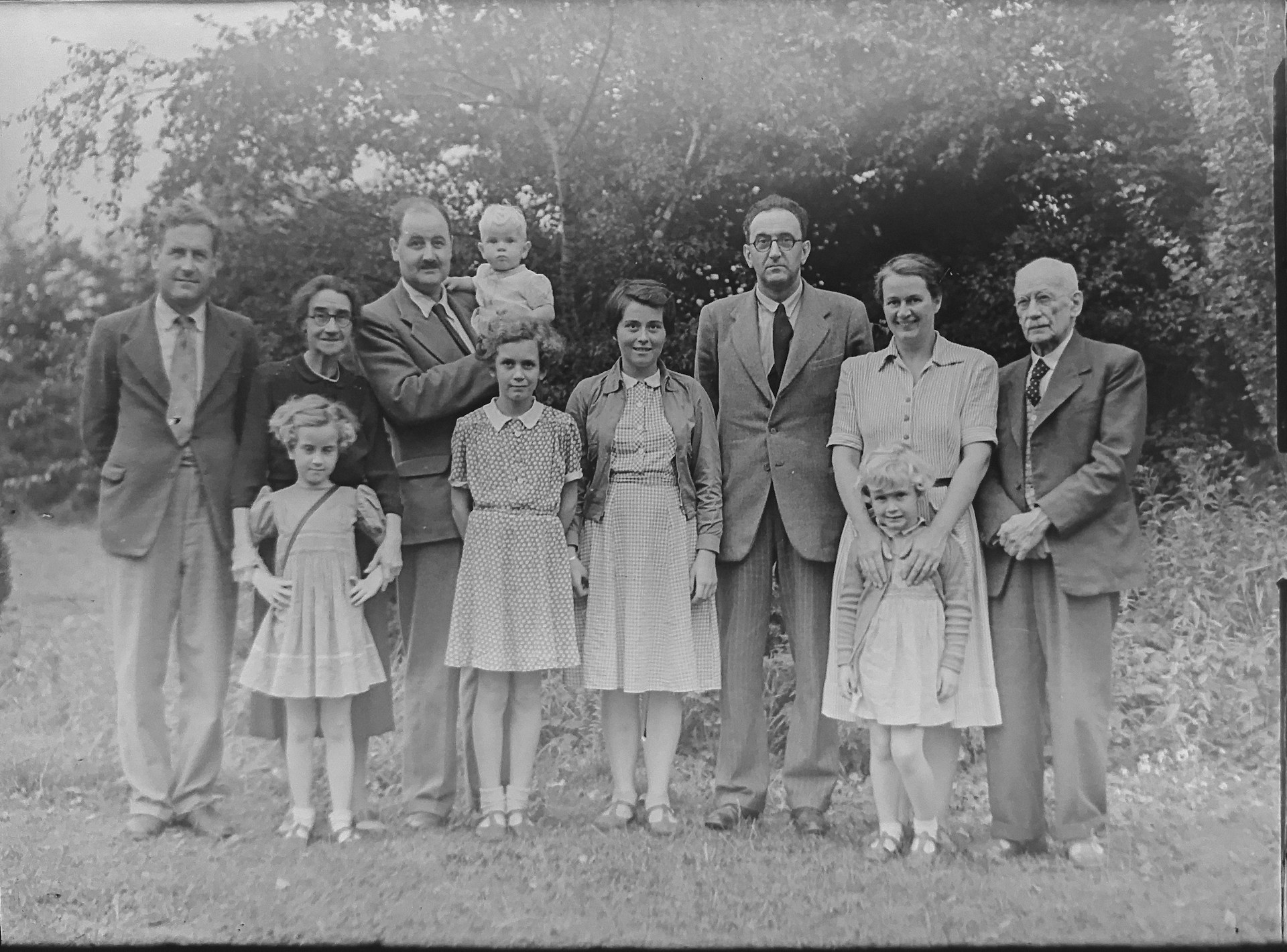
Care is another example. A remarkable amount of support for older adults is provided informally by spouses, children, friends, and neighbors. It is essential work, but much of it is unpaid and largely invisible. The government may provide some assistance, but the actual responsibility often falls on individuals and those closest to them.
This does not mean that we are completely on our own. Nor does it mean that public policy no longer matters. It means that each of us has a greater stake in preparing for the future rather than assuming that an employer, government program, or family member will figure it out for us.
That preparation starts with money. A longer life can be a tremendous gift, but it also requires resources. Saving and investing compound over time, but so do spending habits and financial mistakes. The earlier we think realistically about what our lives cost—and what they might cost in the future—the more options we are likely to have.

Health habits compound, too. Exercise, sleep, nutrition and preventive care do not guarantee good health. Genetics and luck still matter. But these habits can improve healthspan: the period of life during which we remain healthy, capable, and independent. Staying healthy is also generally less expensive than managing years of chronic illness.
Then there are relationships. We are living through what some observers have called a “friendship recession.” People report having fewer close friends, spend less time with one another, and often find it harder to build new relationships in adulthood. Yet friends and neighbors can become vital sources of companionship, practical help, and care, particularly when family members live far away.
Building that kind of network takes time. You cannot wait until you need a close friend or trusted neighbor to begin creating one.

All of these considerations converge in place.
Where you live shapes your expenses, access to healthcare, opportunities for movement, and ability to see other people regularly. It affects whether family and friends can realistically help you and whether your surroundings support independence as your needs change. A place that isolates you, strains your finances, or requires you to drive everywhere may become increasingly difficult over a long life. A place that strengthens your health, relationships, and resilience can become one of your greatest assets.
Place is foundational because it influences nearly every other part of life. Yet many people devote more attention to managing their investment portfolio than to considering whether their home and community will work for them over time.
The age of individual responsibility should not be confused with the age of going it alone. In fact, taking responsibility may mean doing the opposite: investing in relationships, choosing a supportive community, and creating a life in which people can depend on one another.
We cannot know exactly what governments, employers, or families will be able to provide decades from now. But we can plan with our eyes open. The future may offer fewer parachutes. That makes it even more important to build a life with a strong foundation.